Topic
35mm Film Explained: Formats, Speeds, and What Shooters Should Know
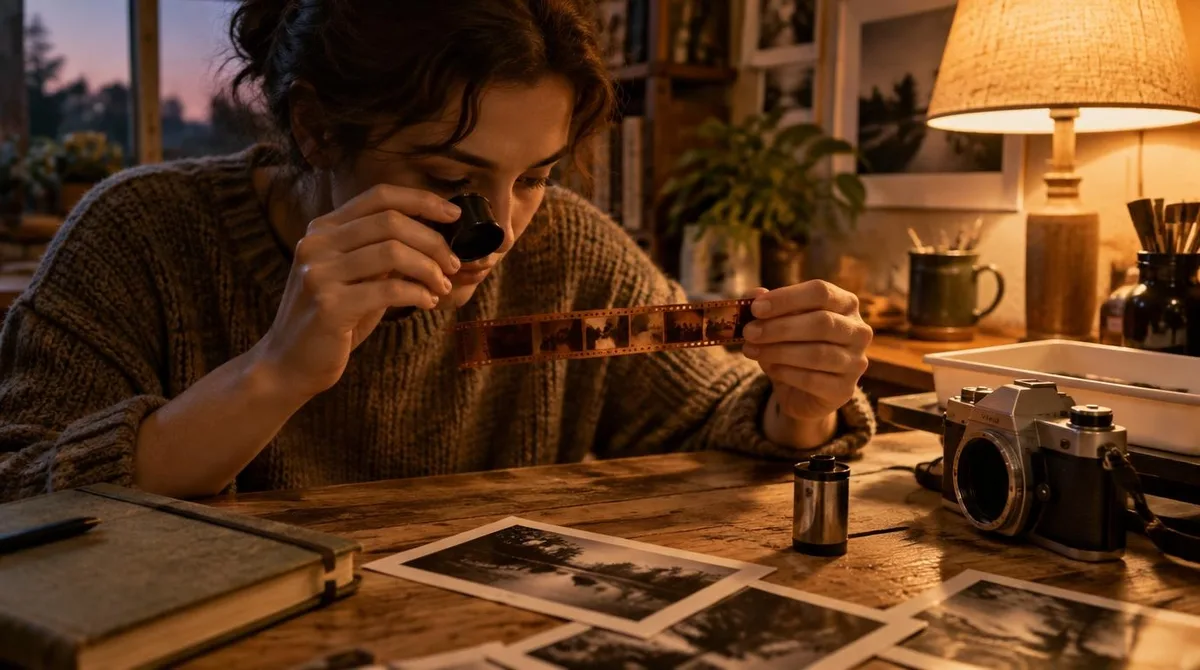
The gauge that started in Edison's lab still runs the stills world. Here's what the strip actually is and how to pick a speed.
The gauge that started in Edison's lab still runs the stills world. Here's what the strip actually is and how to pick a speed.
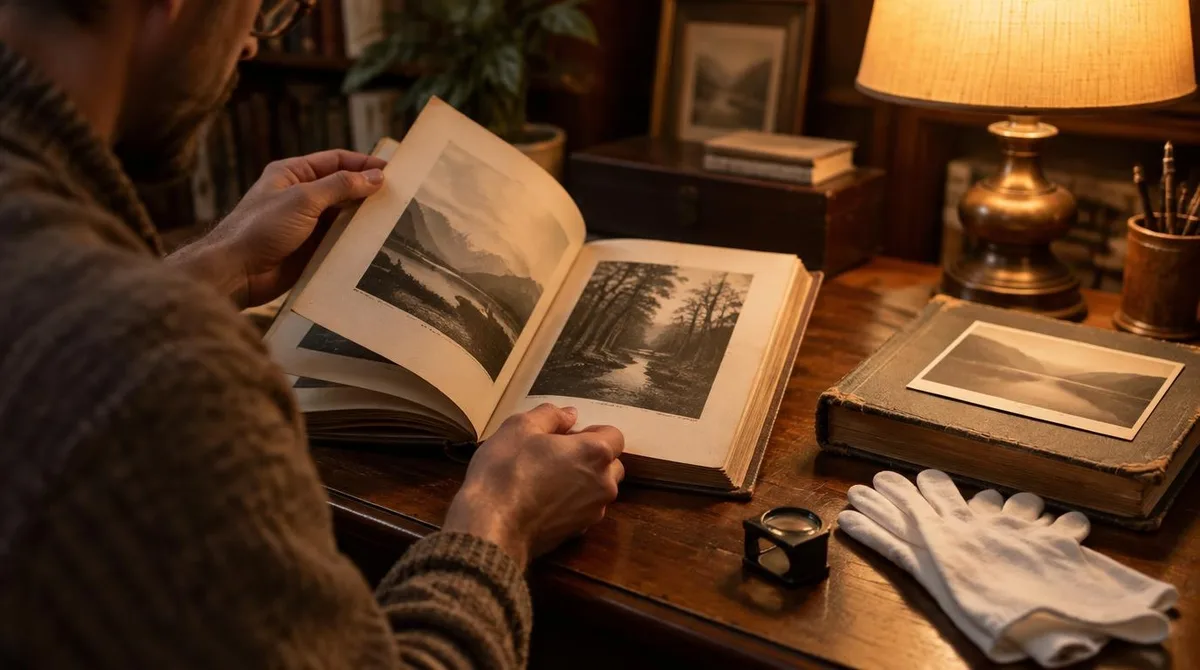
Few early photo books survive light and handling, and Robert Frank’s The Americans went from poor sales to landmark status after its 1958 debut.

Cinema keeps casting the darkroom as the room where secrets surface, from Blow-Up's enlarger to Kodachrome's real processing deadline.
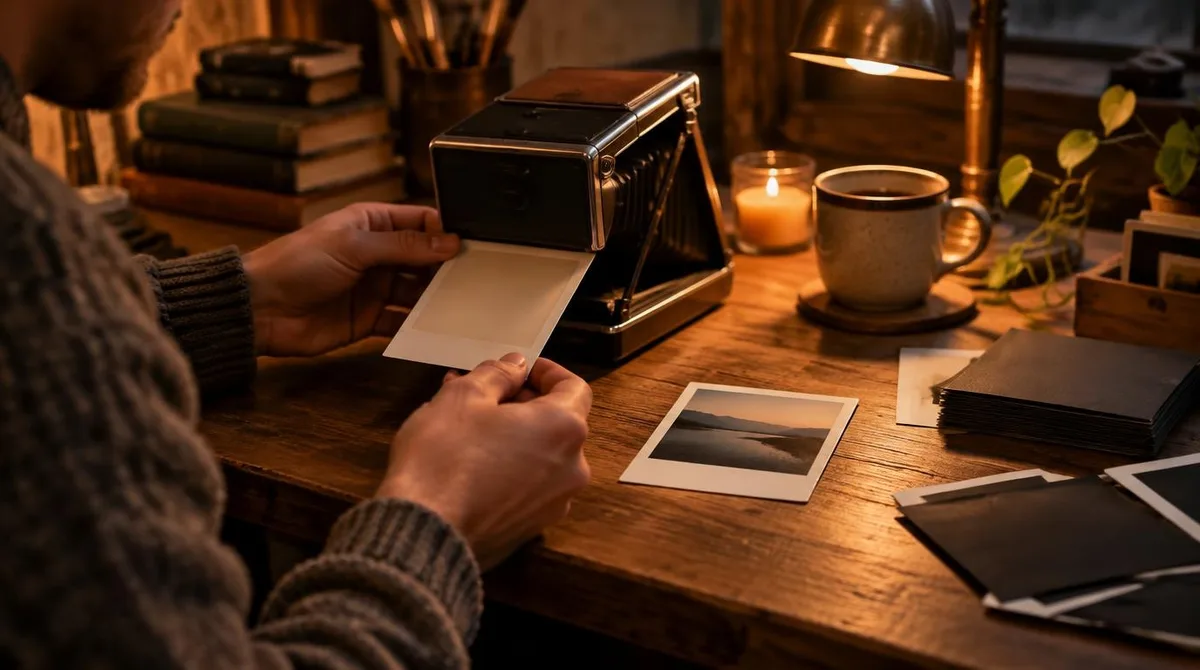
Instant film carries its developer inside the sheet, so a picture finishes itself in minutes without a lab or a tank.
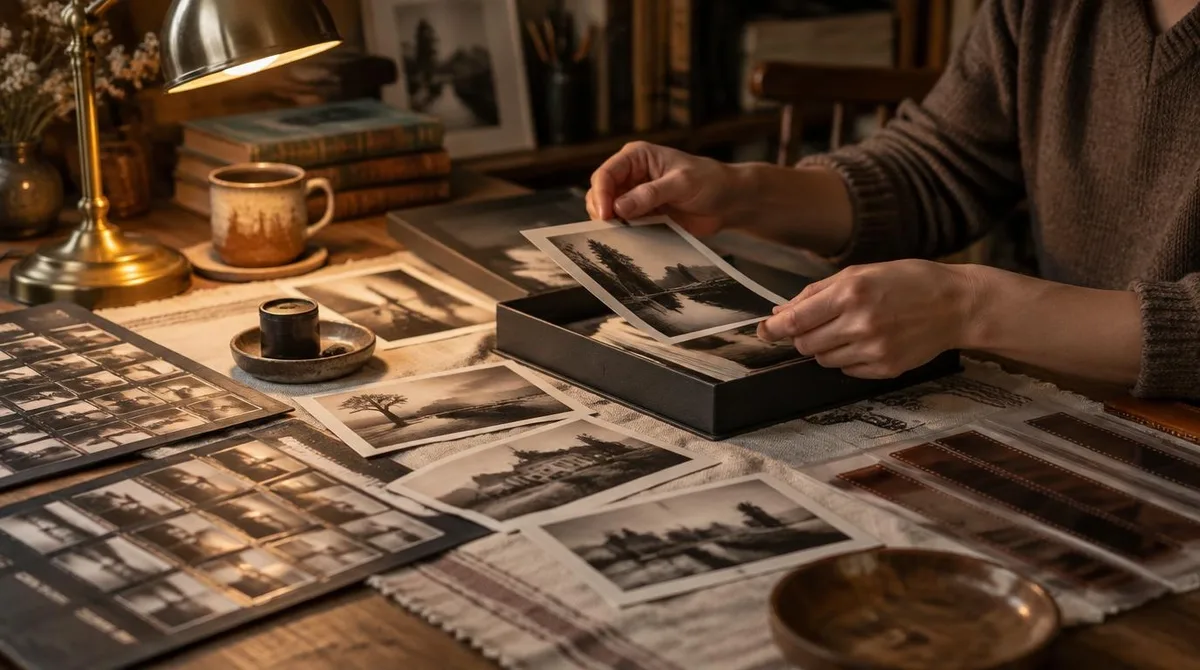
Editors do not browse. They judge fast, and a film portfolio has to survive that judgment in the first ten images.
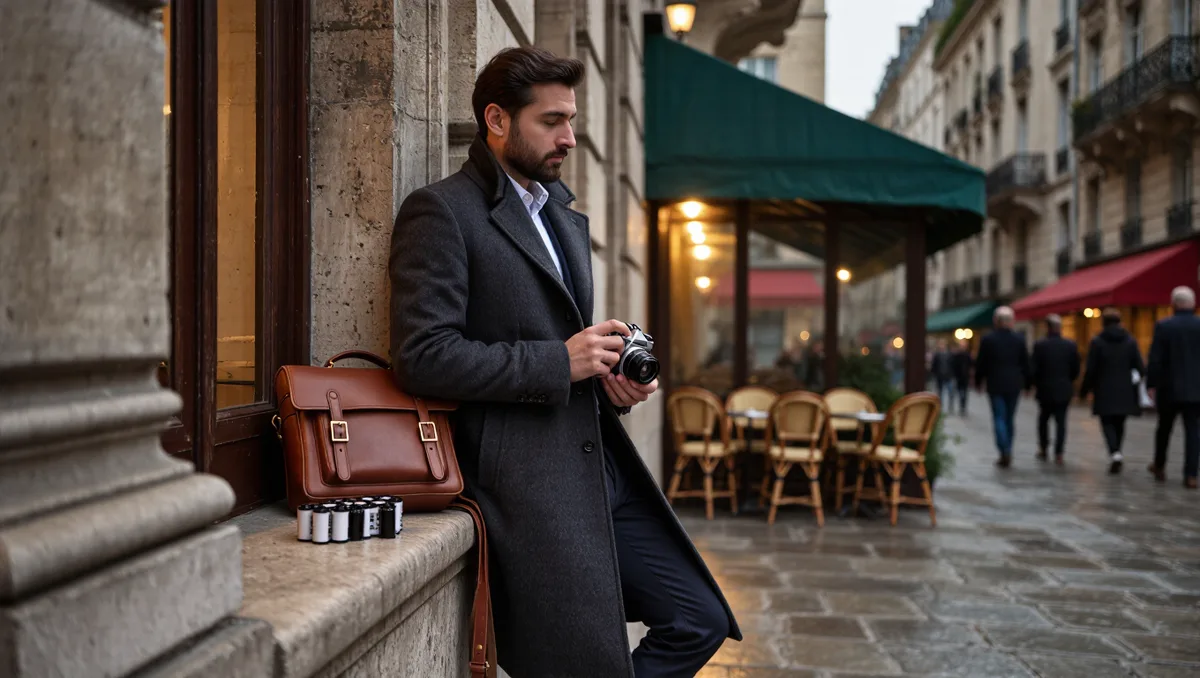
Film street photography is legal across most public places, a genre reaching back to Daguerre in 1838, where the real work is conduct: knowing the law, honoring strangers, and keeping the nerve to press once.
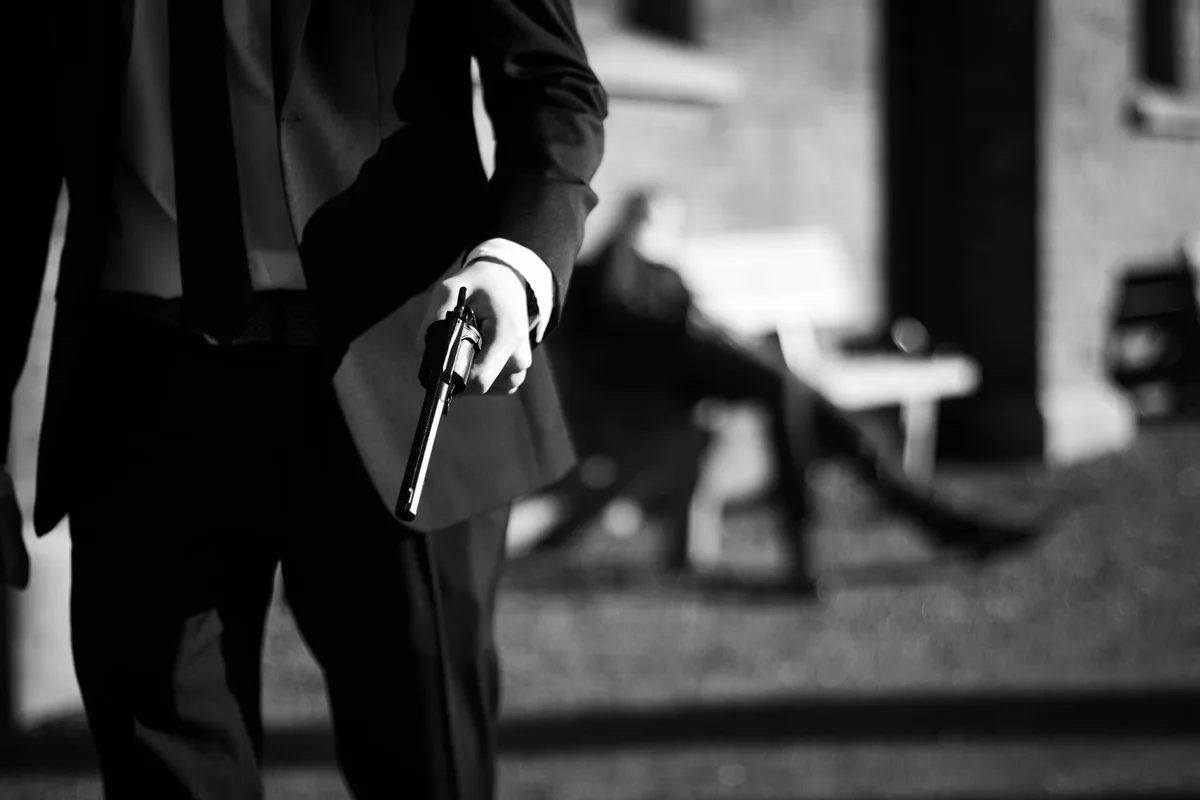
Film noir's classic period ran from the 1940s into the 1950s, built on low-key black-and-white lighting, a faster Kodak stock released in 1935, and cities that photograph like traps.
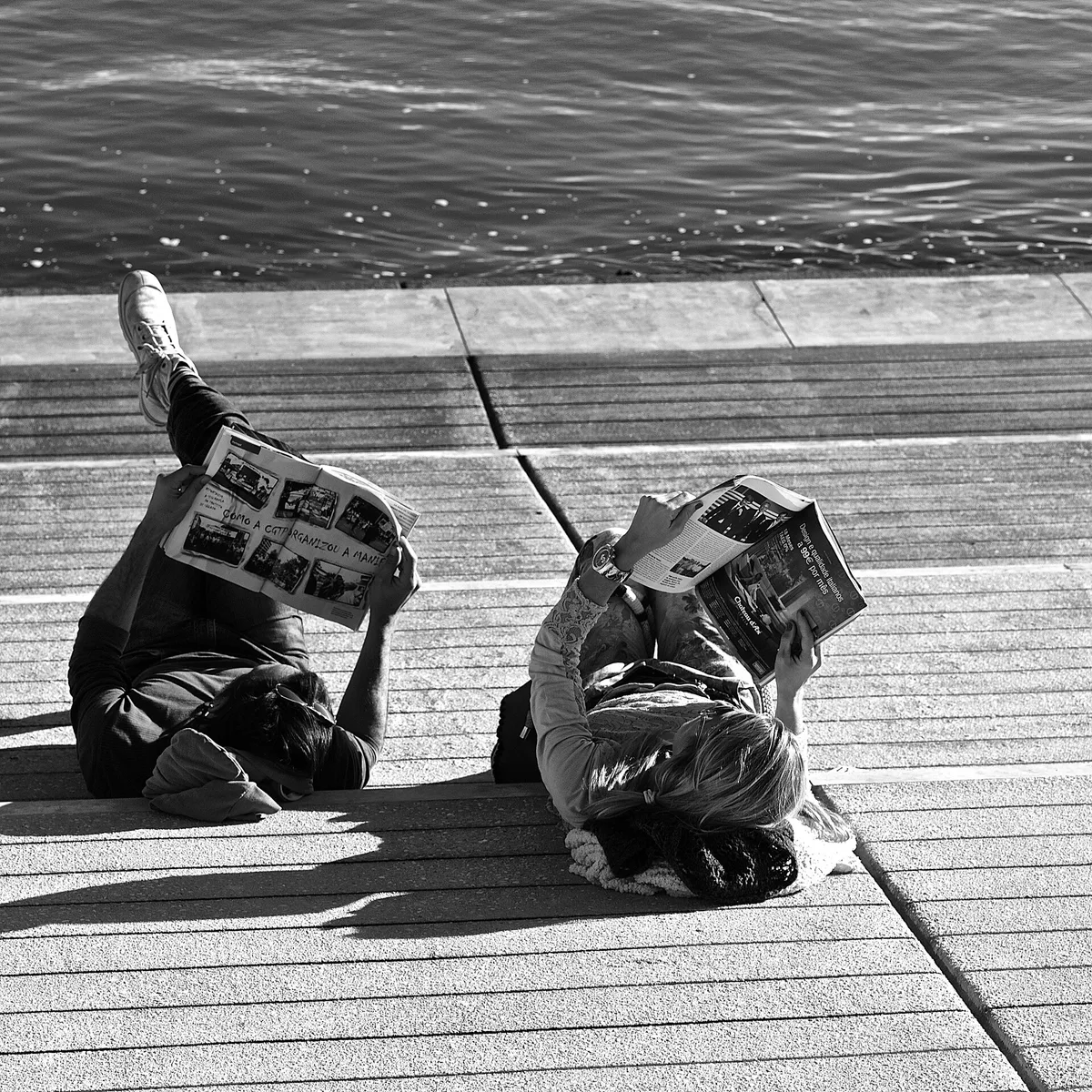
The covers you remember share a few working traits — and none of them is luck.
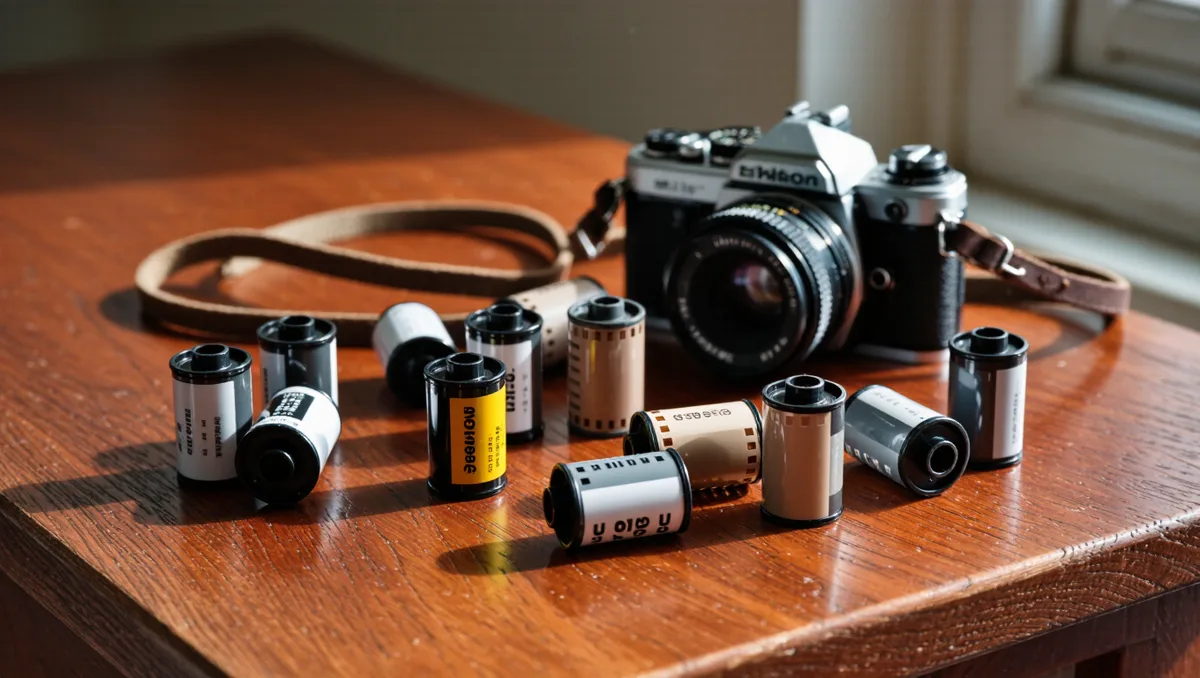
A walk through the chemistry, the enlargers, and the people whose hands touch every negative.
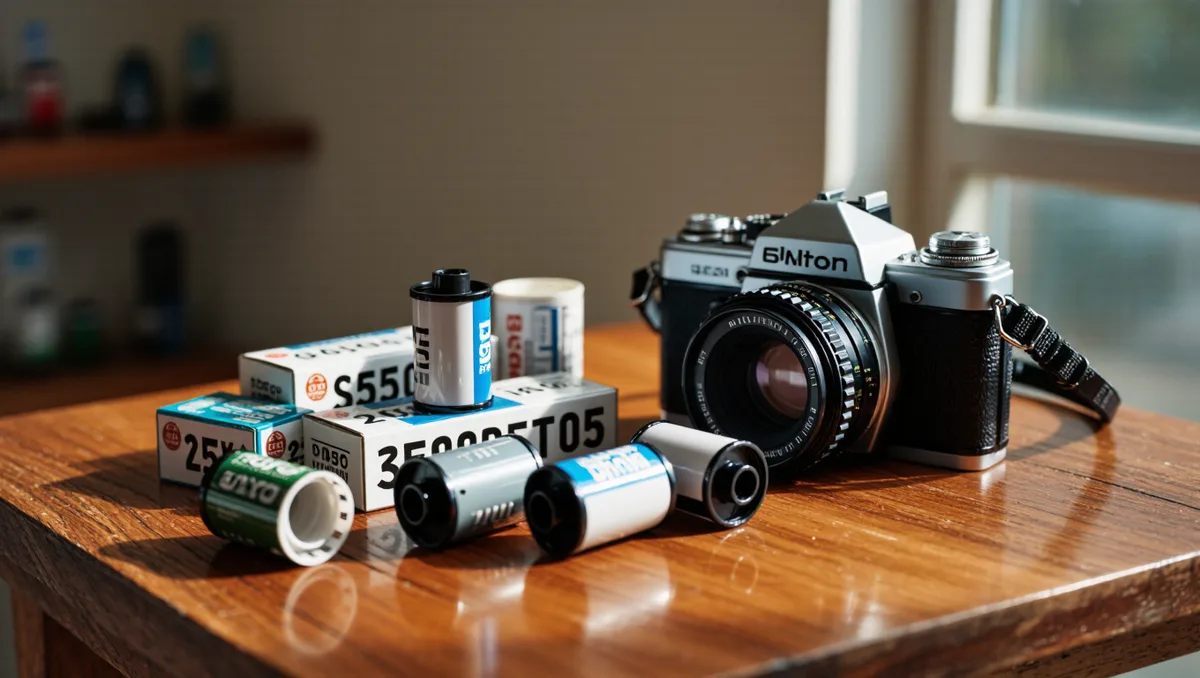
A ranking is only as honest as its criteria. Here is what actually separates a good mail-in lab from a careless one, and how to judge price, scans, and packaging without trusting a star rating.