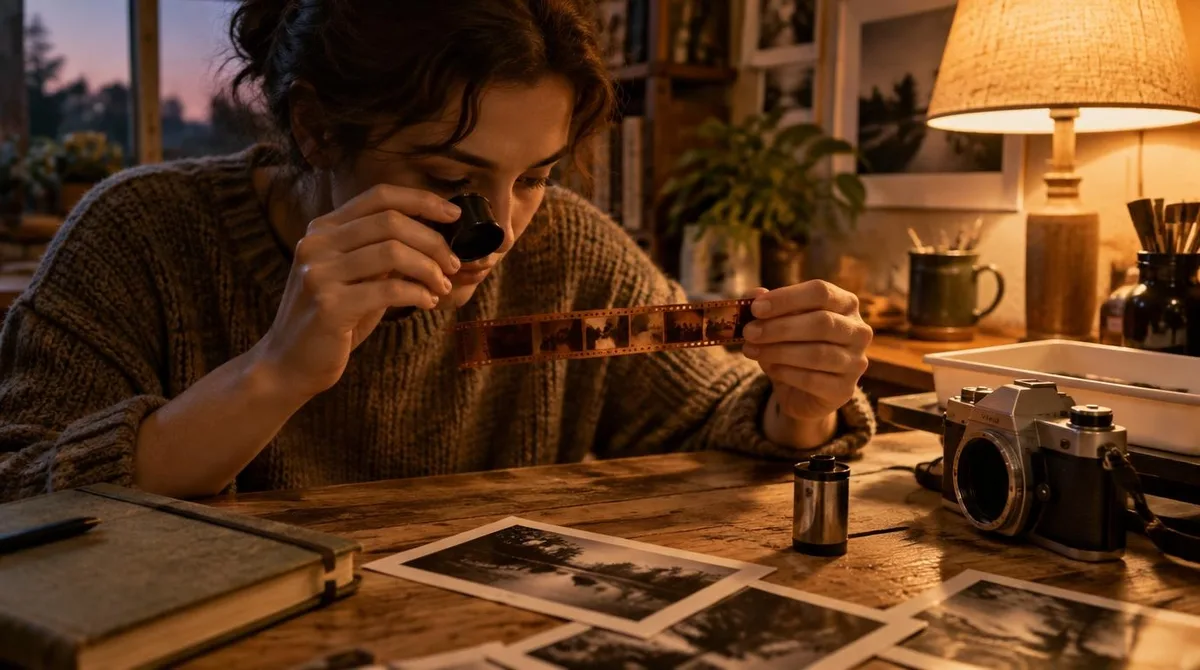
Topic
35mm Film Explained: Formats, Speeds, and What Shooters Should Know
The gauge that started in Edison's lab still runs the stills world. Here's what the strip actually is and how to pick a speed.
The gauge that started in Edison's lab still runs the stills world. Here's what the strip actually is and how to pick a speed.
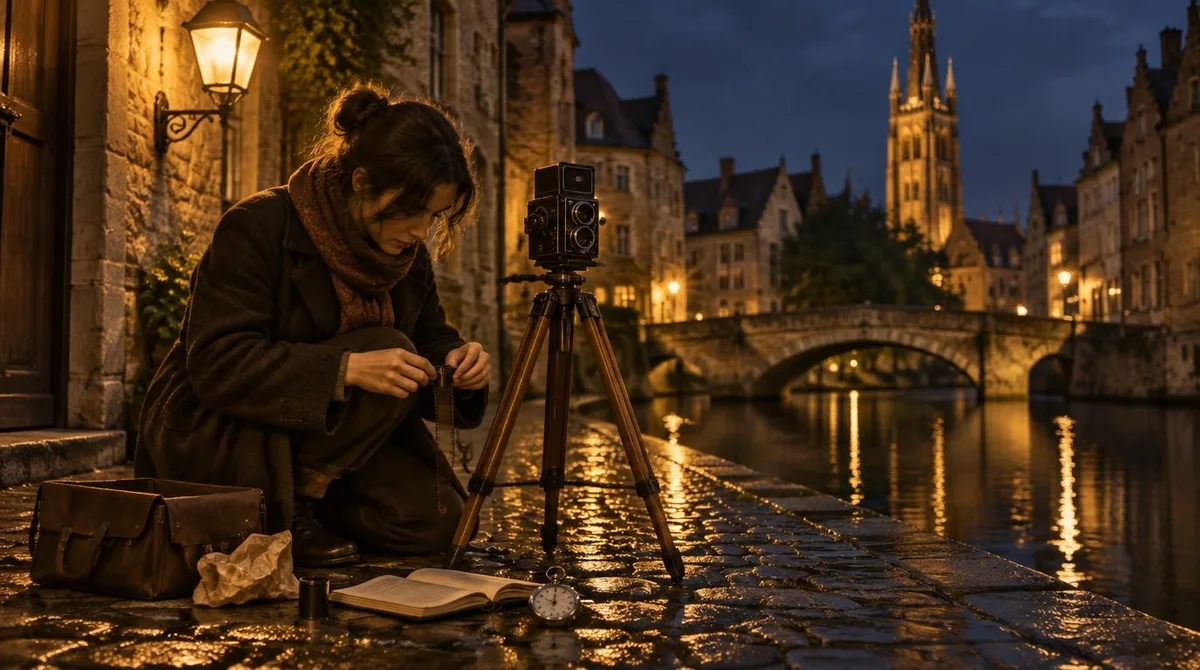
Reciprocity failure becomes significant past about 1 second on film, and the night photography record answers grain with tripods, flash, and patience.
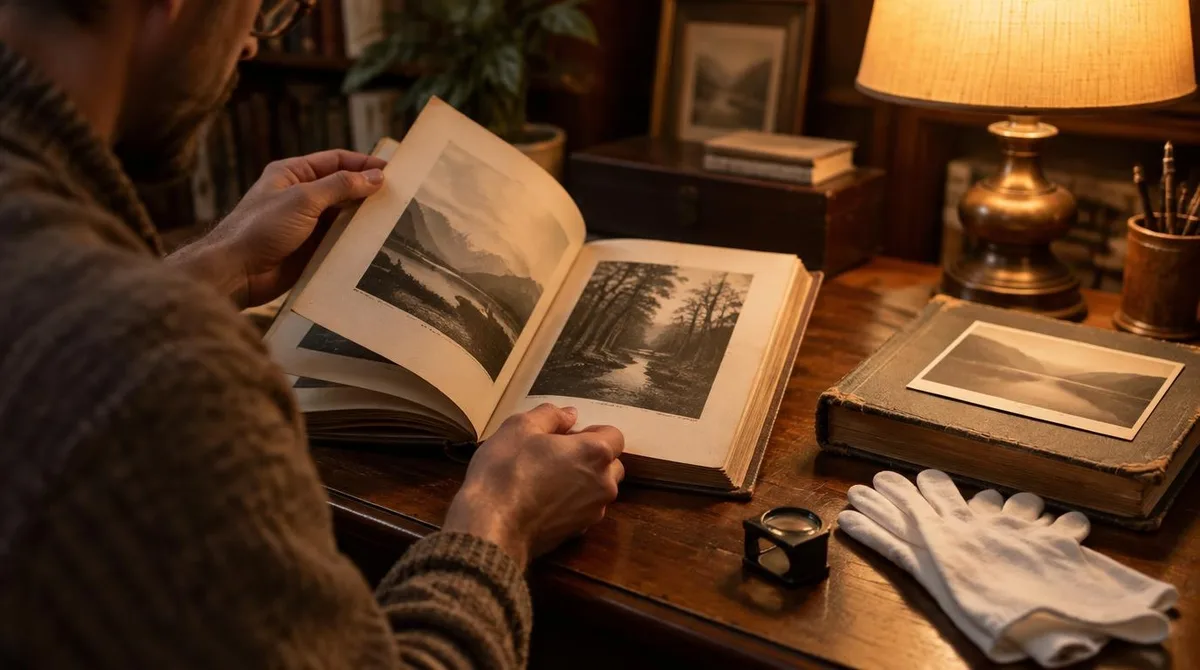
Few early photo books survive light and handling, and Robert Frank’s The Americans went from poor sales to landmark status after its 1958 debut.

Cinema keeps casting the darkroom as the room where secrets surface, from Blow-Up's enlarger to Kodachrome's real processing deadline.
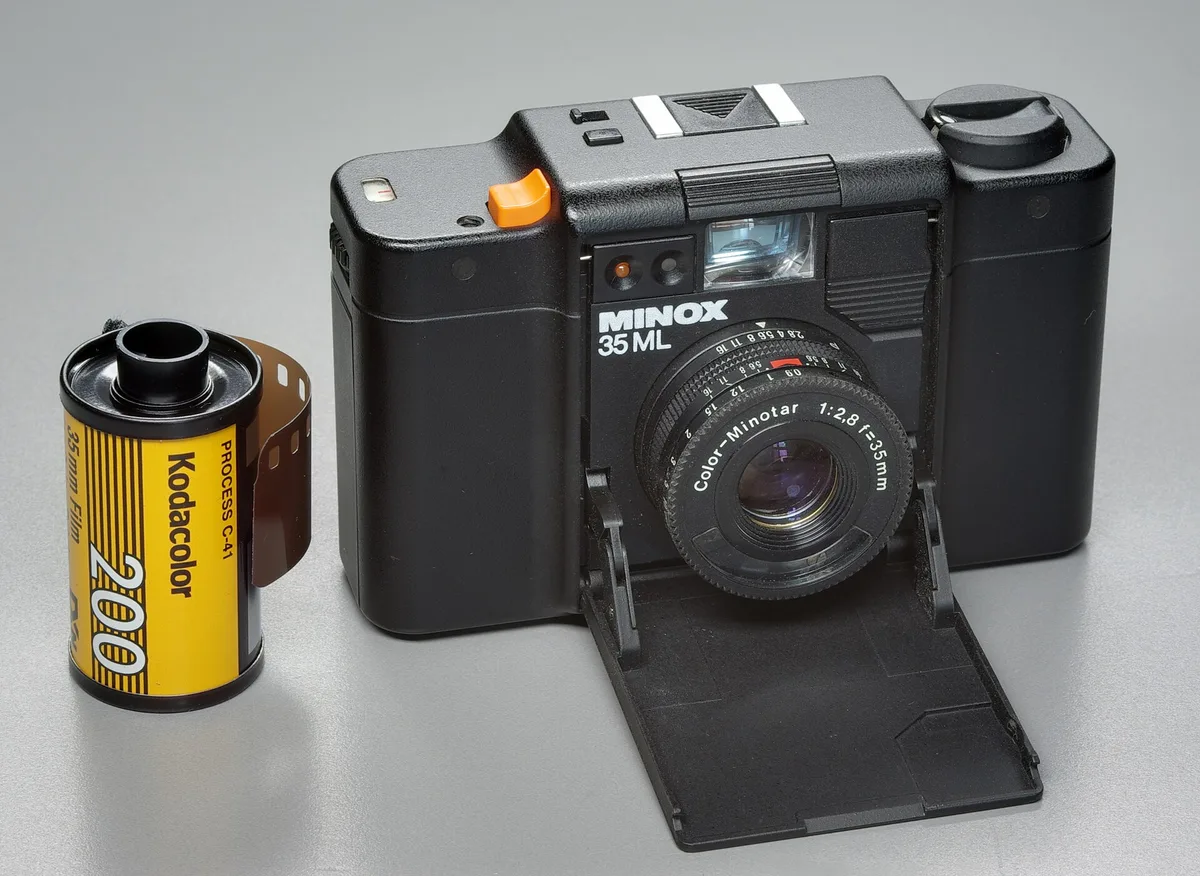
A humble point and shoot film camera is cheap fun, while hyped titanium compacts like the Contax T2 reward patience over impulse.
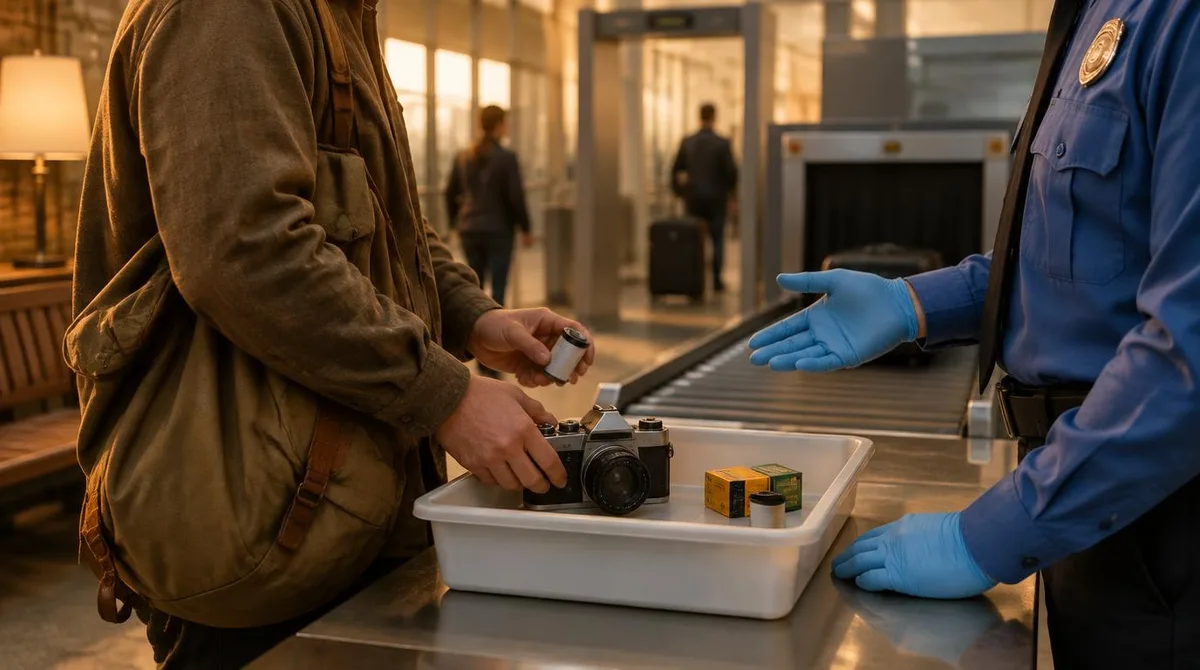
Airport X-ray risk starts above 800 ISO, and the TSA asks travelers to keep undeveloped film in carry-on bags and request hand inspection.
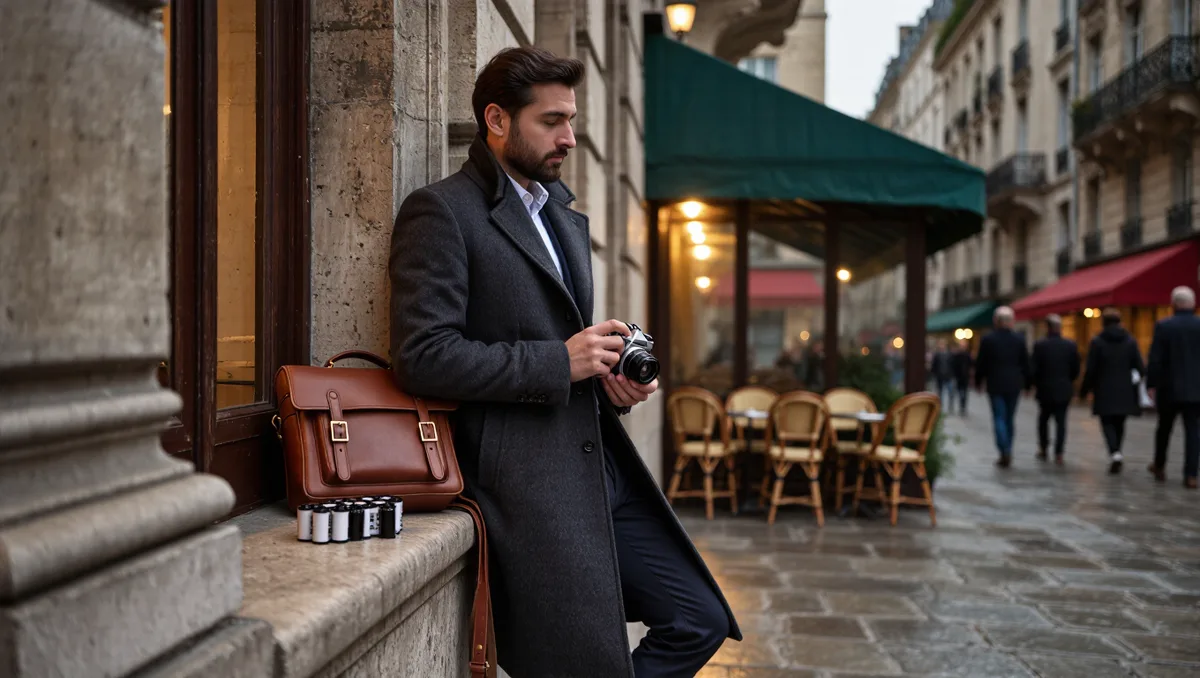
Film street photography is legal across most public places, a genre reaching back to Daguerre in 1838, where the real work is conduct: knowing the law, honoring strangers, and keeping the nerve to press once.
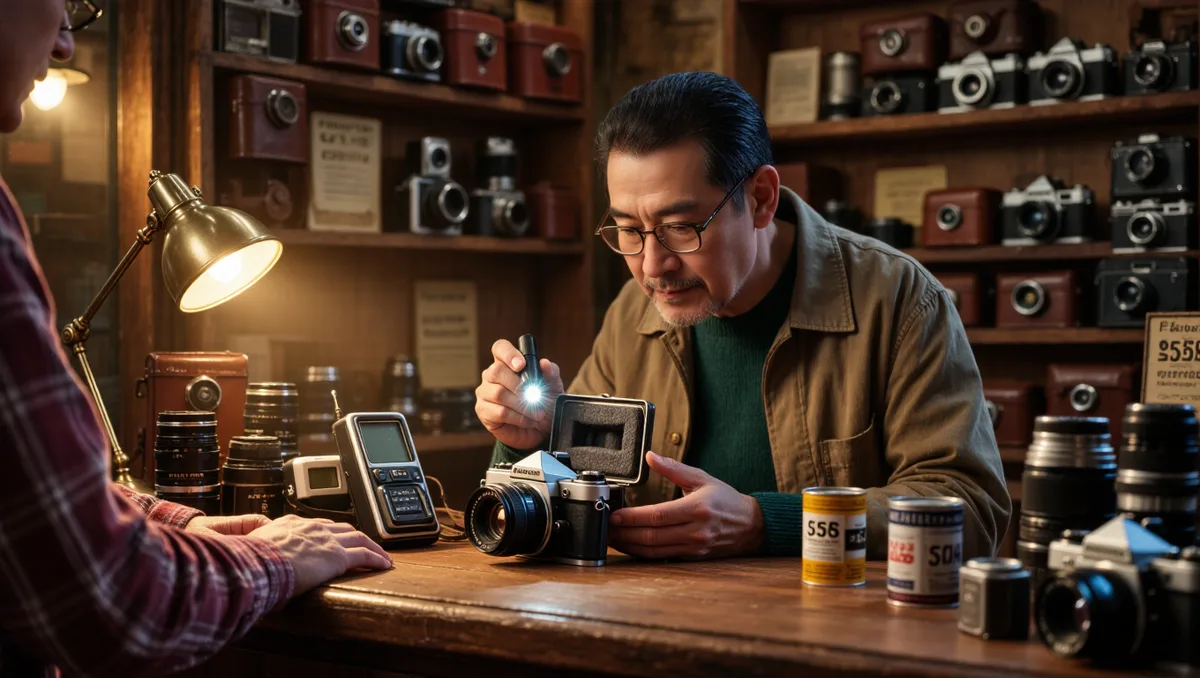
A patient inspection checklist for light seals, shutters, meters, and price — so the bargain stays a bargain.
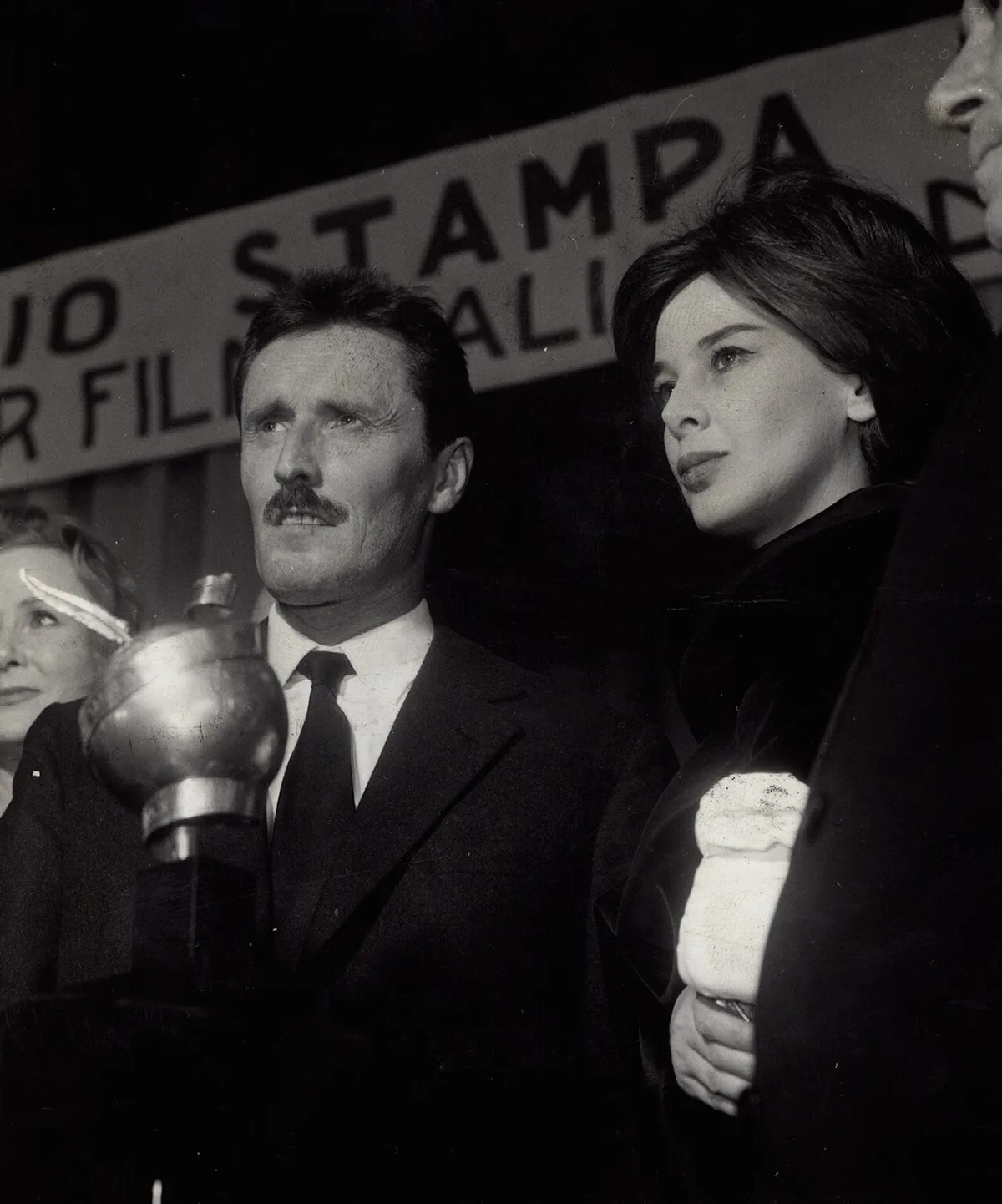
Portraits sort into three documented stocks: Kodak Portra 400 for color work it was built for in 1998, Kodak Tri-X at ISO 400 for grain with a temper, and Ilford HP5 Plus on a line dating to 1931.
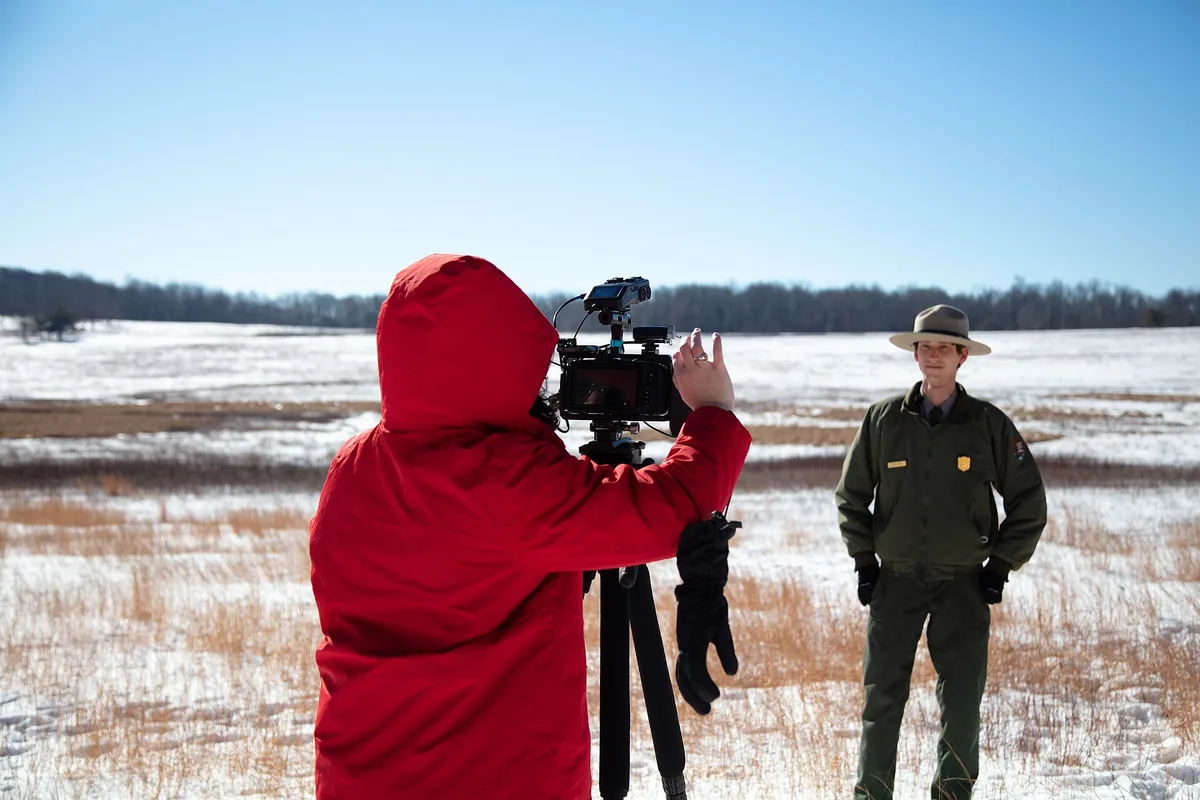
Winter film photography leans on fast rolls, honest metering over bright snow, warm batteries, and the long-exposure chart after early dusk.