Topic
35mm Film Explained: Formats, Speeds, and What Shooters Should Know
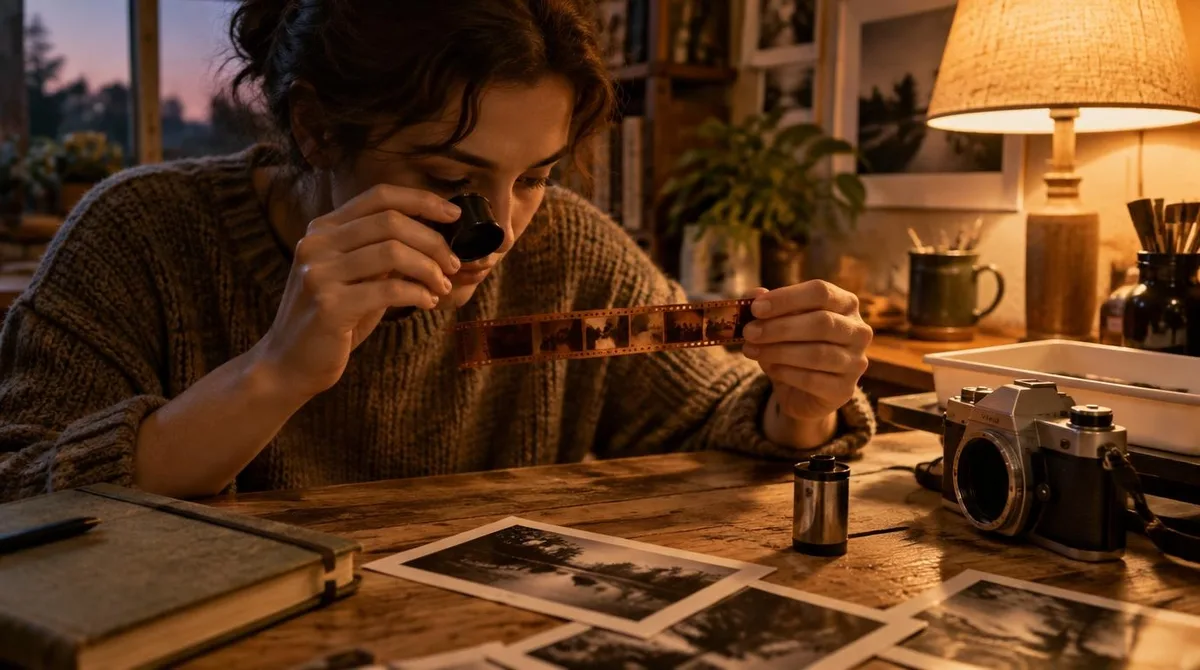
The gauge that started in Edison's lab still runs the stills world. Here's what the strip actually is and how to pick a speed.
The gauge that started in Edison's lab still runs the stills world. Here's what the strip actually is and how to pick a speed.

Cinema keeps casting the darkroom as the room where secrets surface, from Blow-Up's enlarger to Kodachrome's real processing deadline.
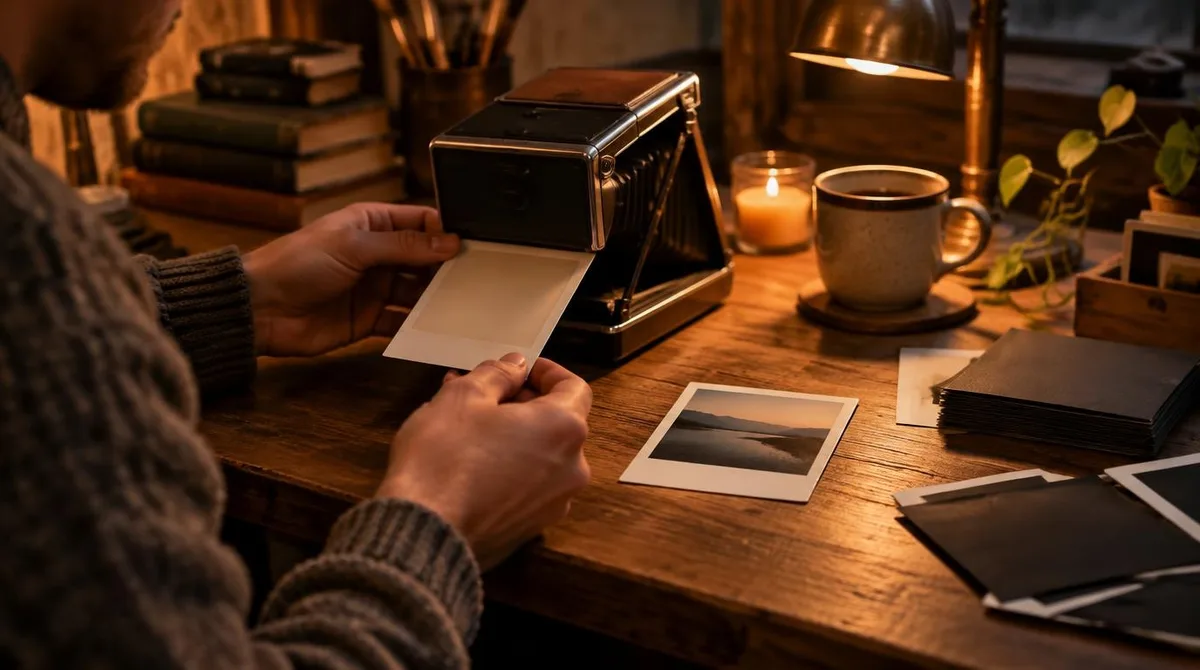
Instant film carries its developer inside the sheet, so a picture finishes itself in minutes without a lab or a tank.
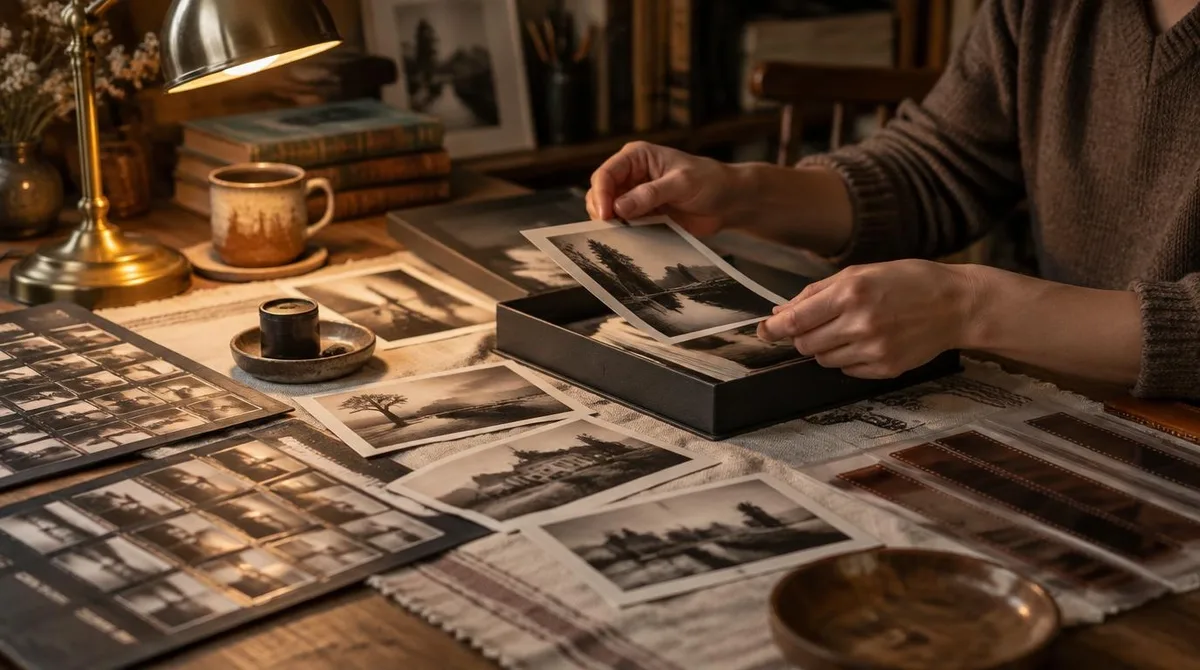
Editors do not browse. They judge fast, and a film portfolio has to survive that judgment in the first ten images.
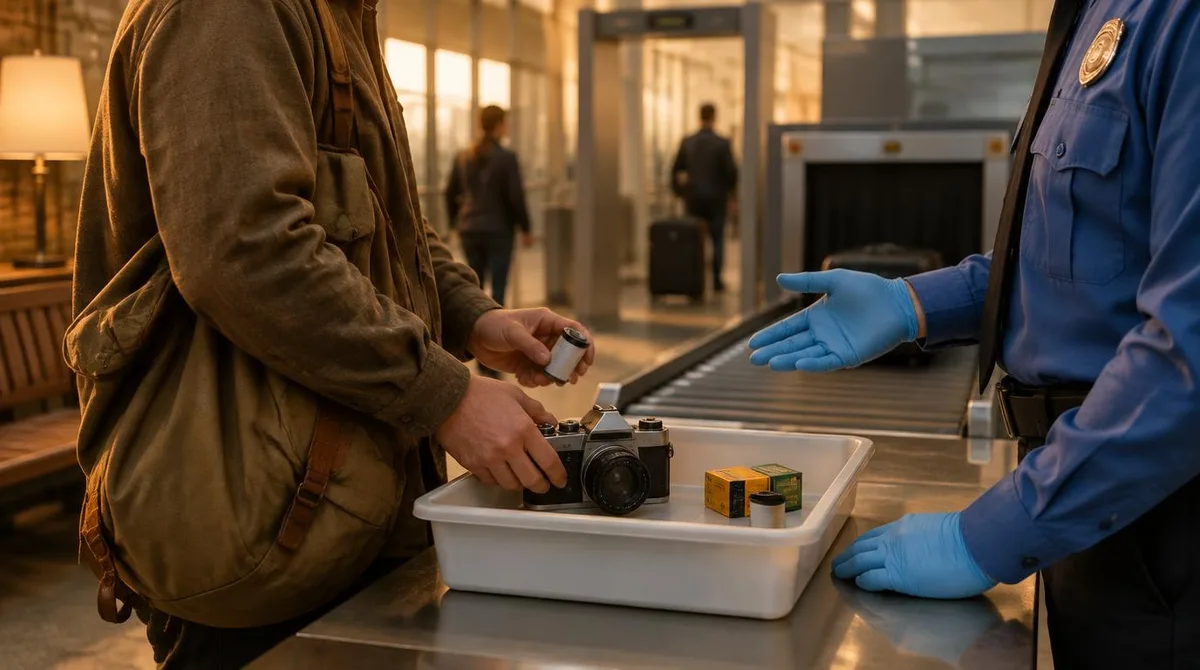
Airport X-ray risk starts above 800 ISO, and the TSA asks travelers to keep undeveloped film in carry-on bags and request hand inspection.
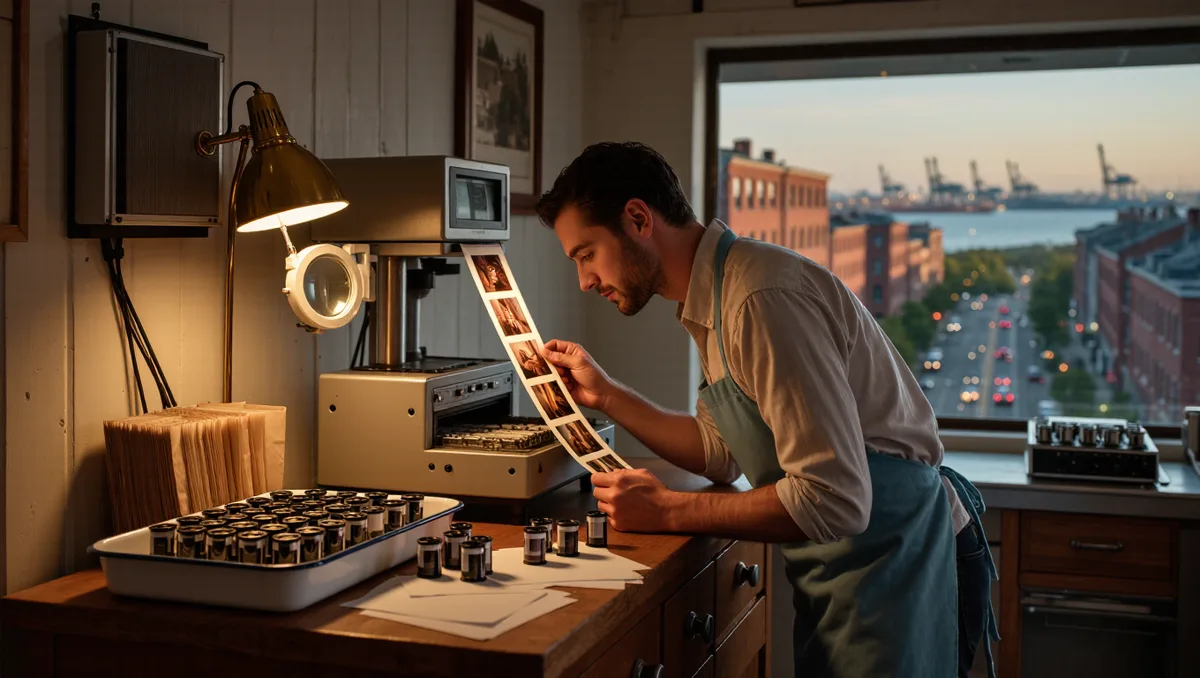
Margins are thin, chemistry is unforgiving, and the customers who keep a lab open are not who you think.
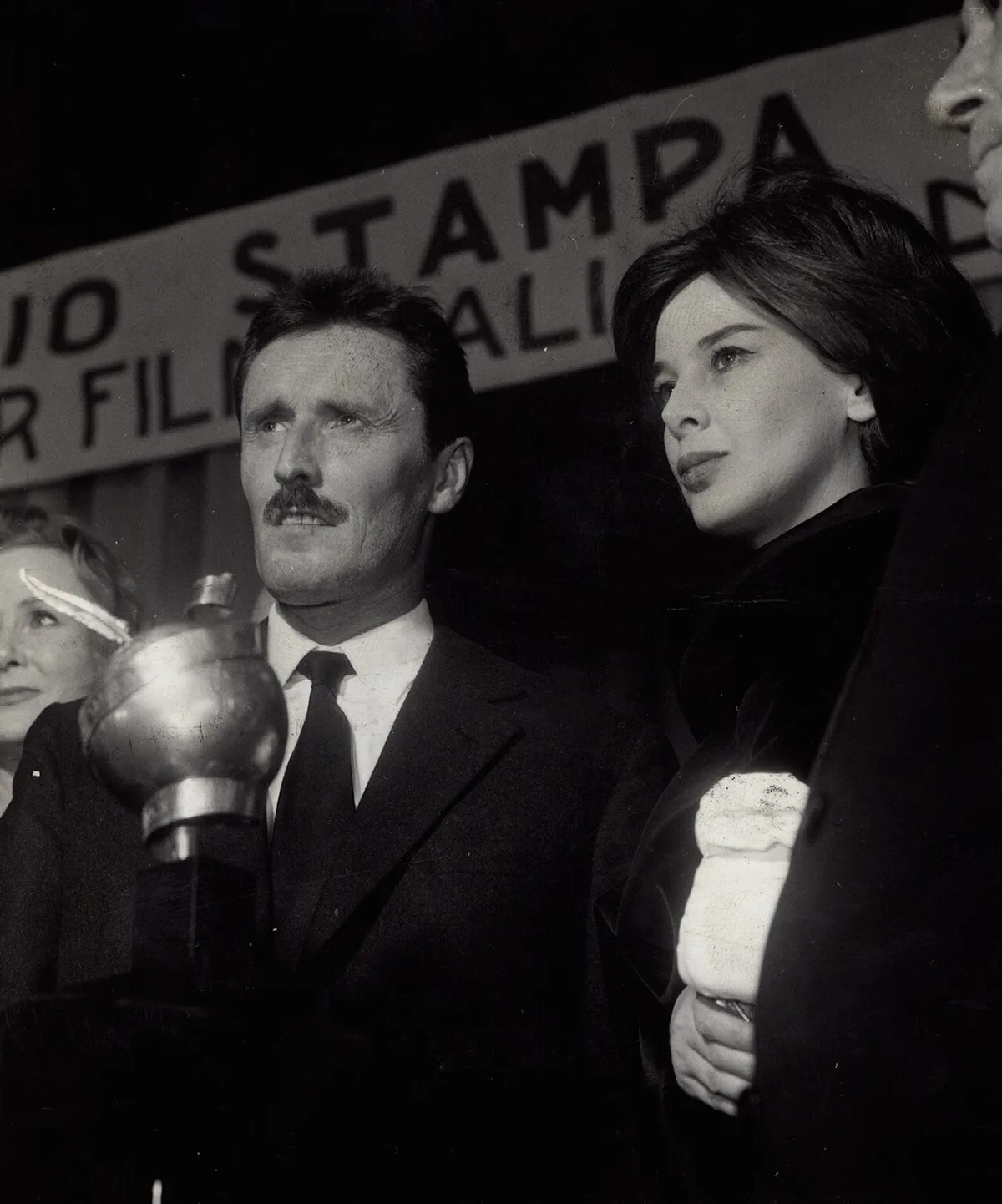
Portraits sort into three documented stocks: Kodak Portra 400 for color work it was built for in 1998, Kodak Tri-X at ISO 400 for grain with a temper, and Ilford HP5 Plus on a line dating to 1931.