Topic
35mm Film Explained: Formats, Speeds, and What Shooters Should Know
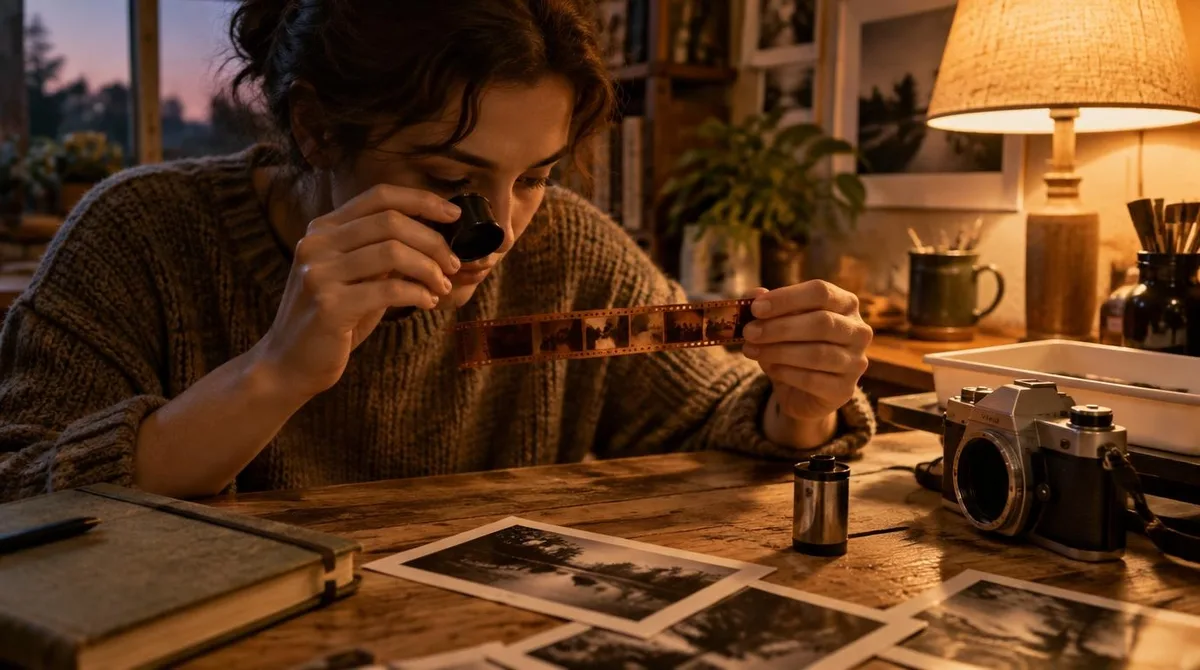
The gauge that started in Edison's lab still runs the stills world. Here's what the strip actually is and how to pick a speed.
The gauge that started in Edison's lab still runs the stills world. Here's what the strip actually is and how to pick a speed.
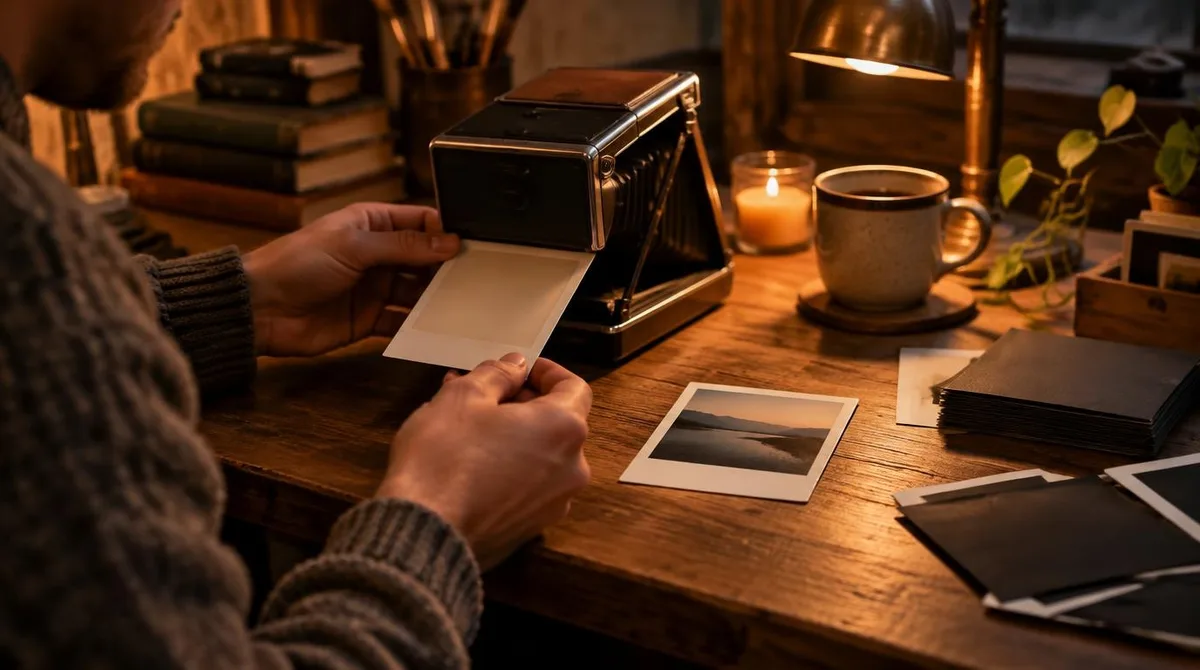
Instant film carries its developer inside the sheet, so a picture finishes itself in minutes without a lab or a tank.
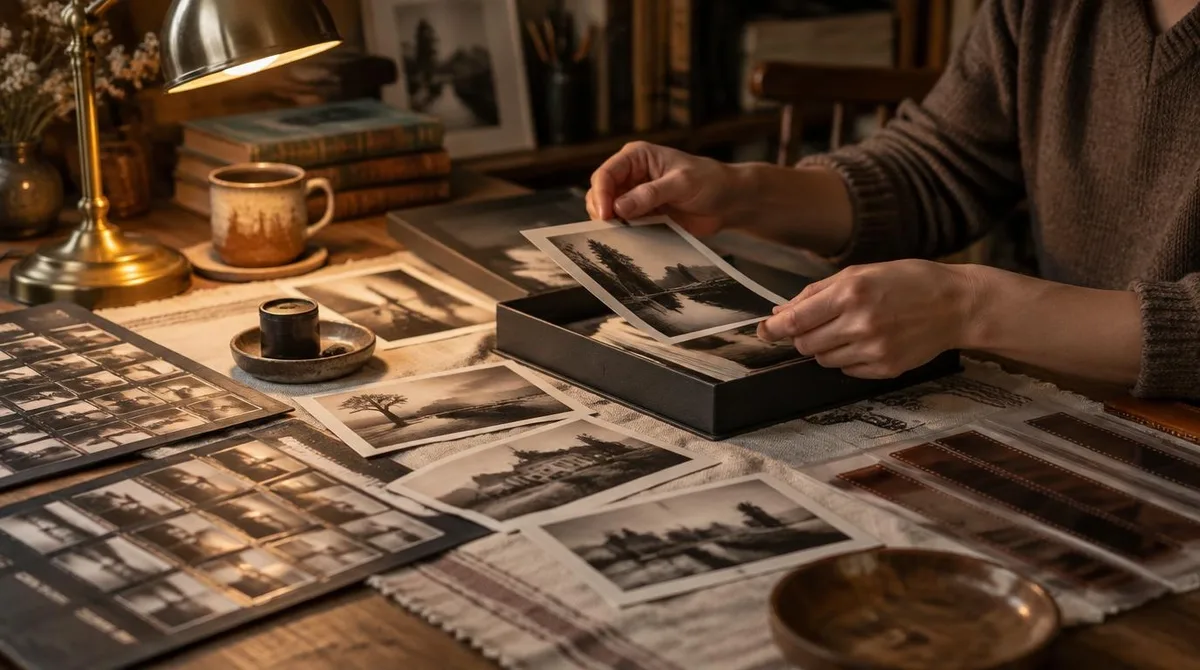
Editors do not browse. They judge fast, and a film portfolio has to survive that judgment in the first ten images.
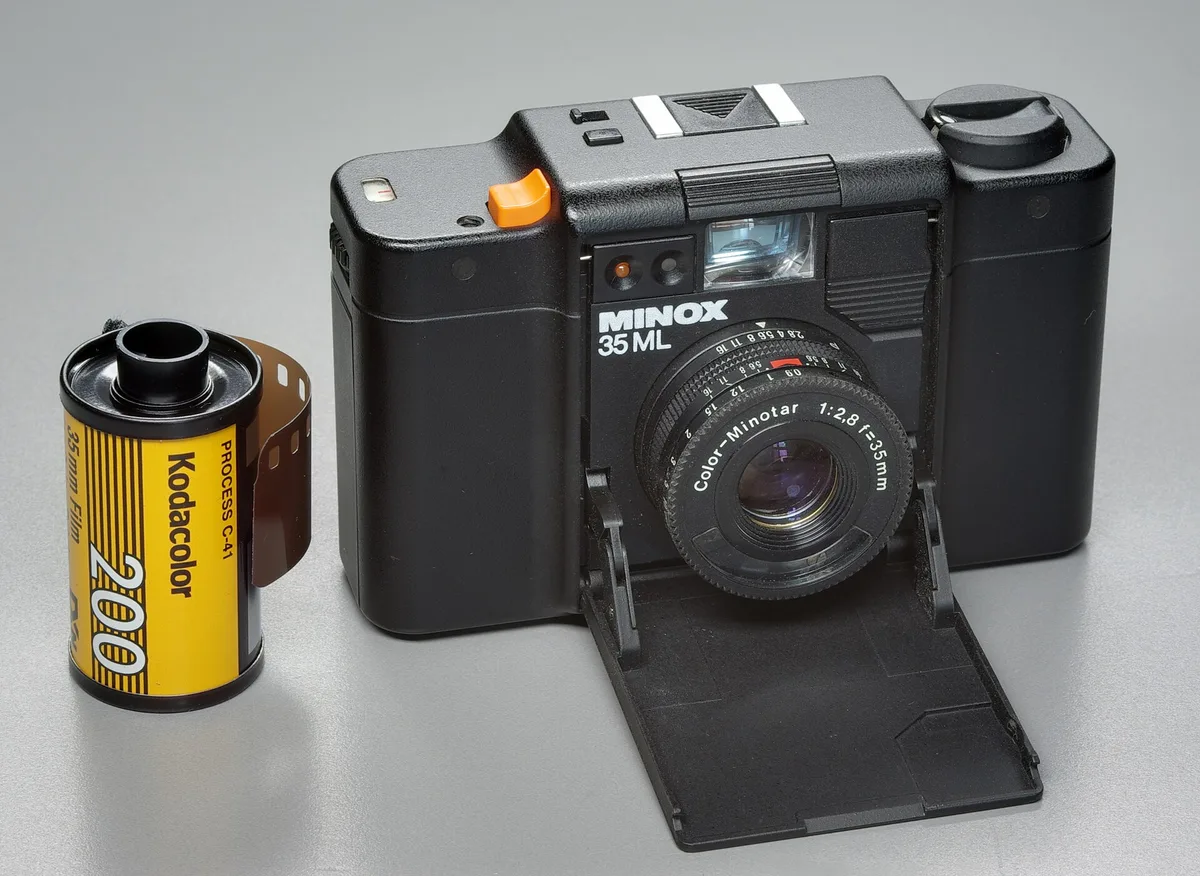
A humble point and shoot film camera is cheap fun, while hyped titanium compacts like the Contax T2 reward patience over impulse.
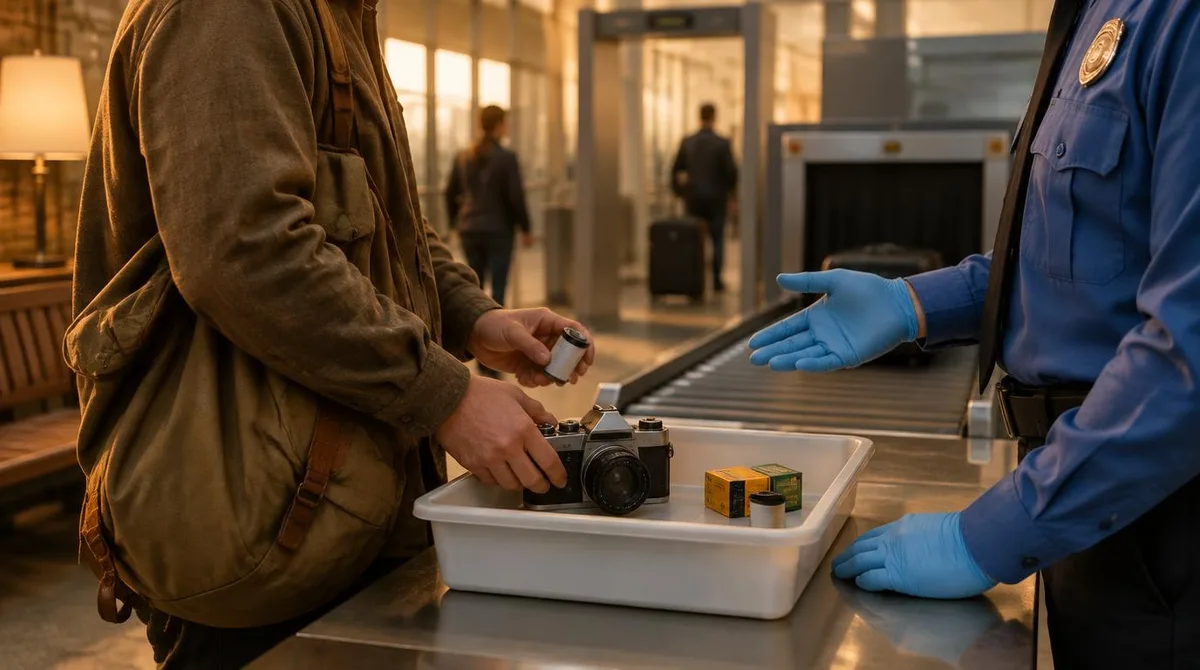
Airport X-ray risk starts above 800 ISO, and the TSA asks travelers to keep undeveloped film in carry-on bags and request hand inspection.
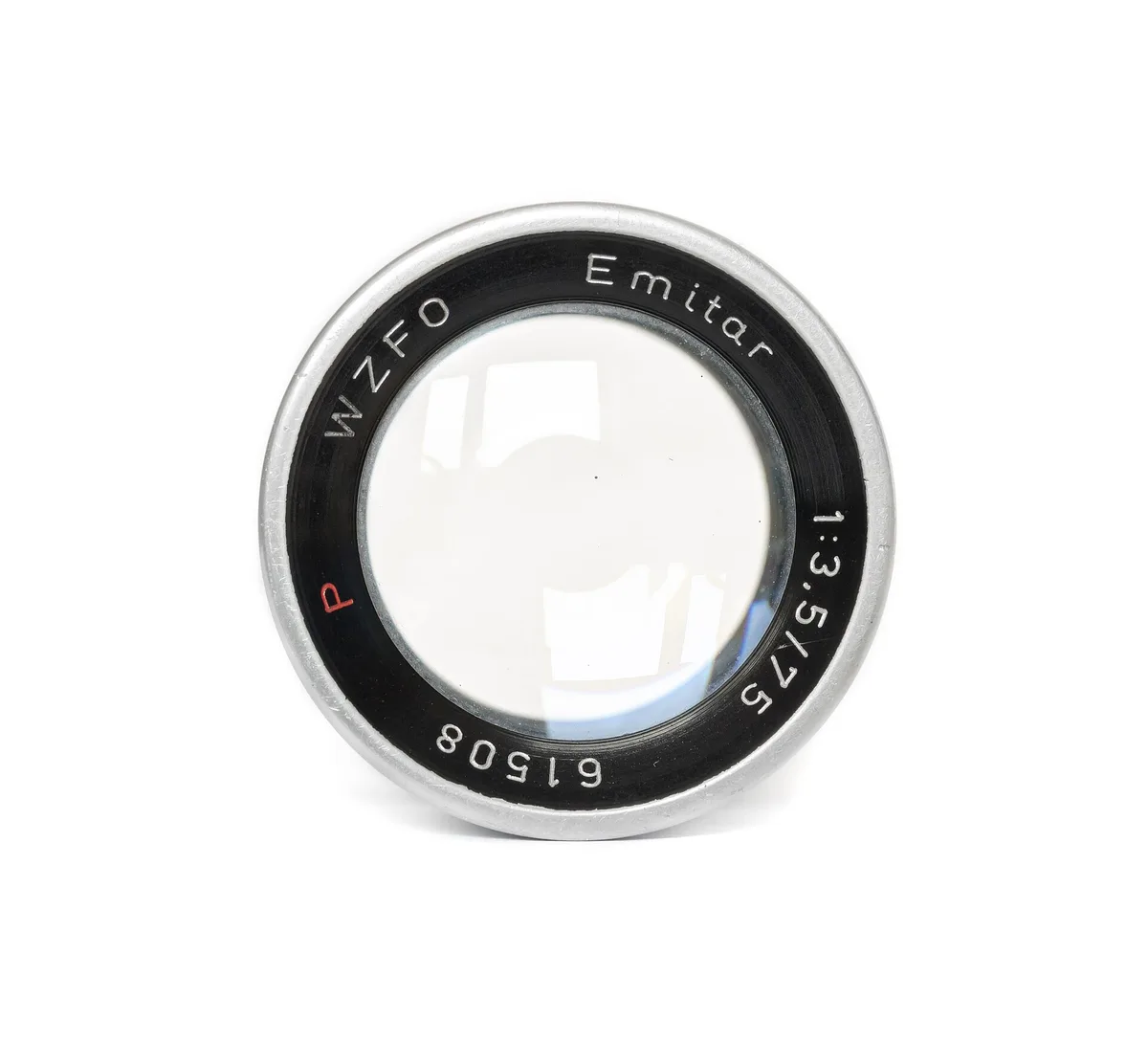
A twin lens reflex camera pairs two matched lenses with a waist-level finder, a design that has run since the Rolleiflex of 1929.
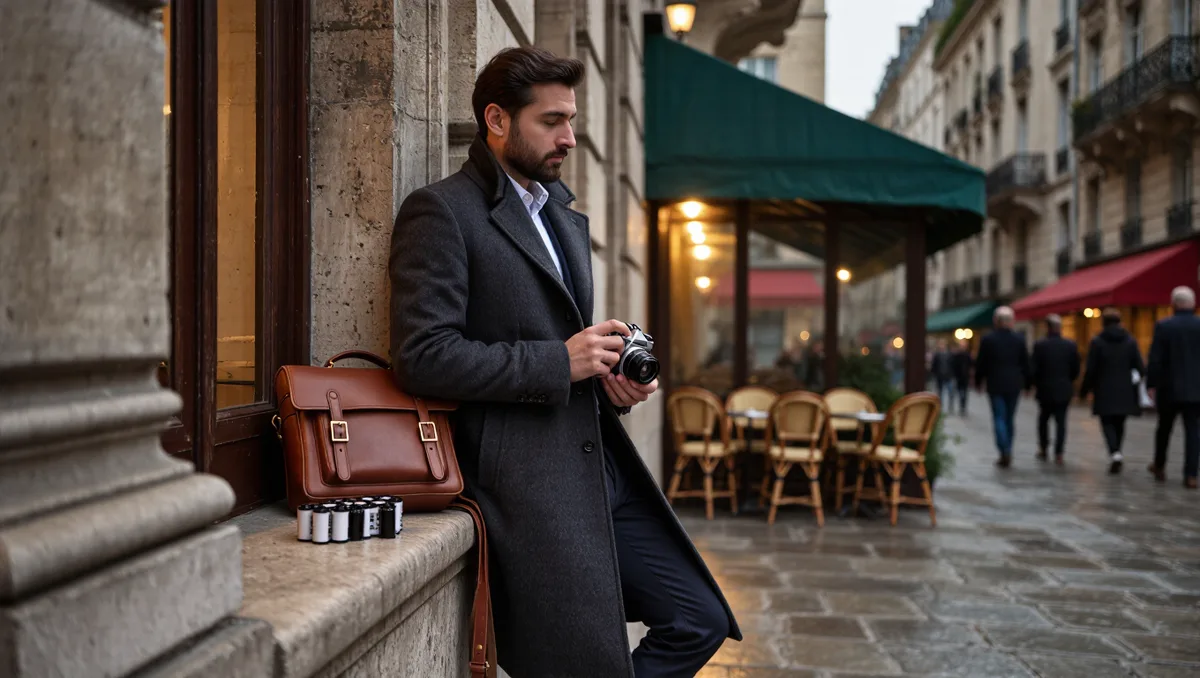
Film street photography is legal across most public places, a genre reaching back to Daguerre in 1838, where the real work is conduct: knowing the law, honoring strangers, and keeping the nerve to press once.
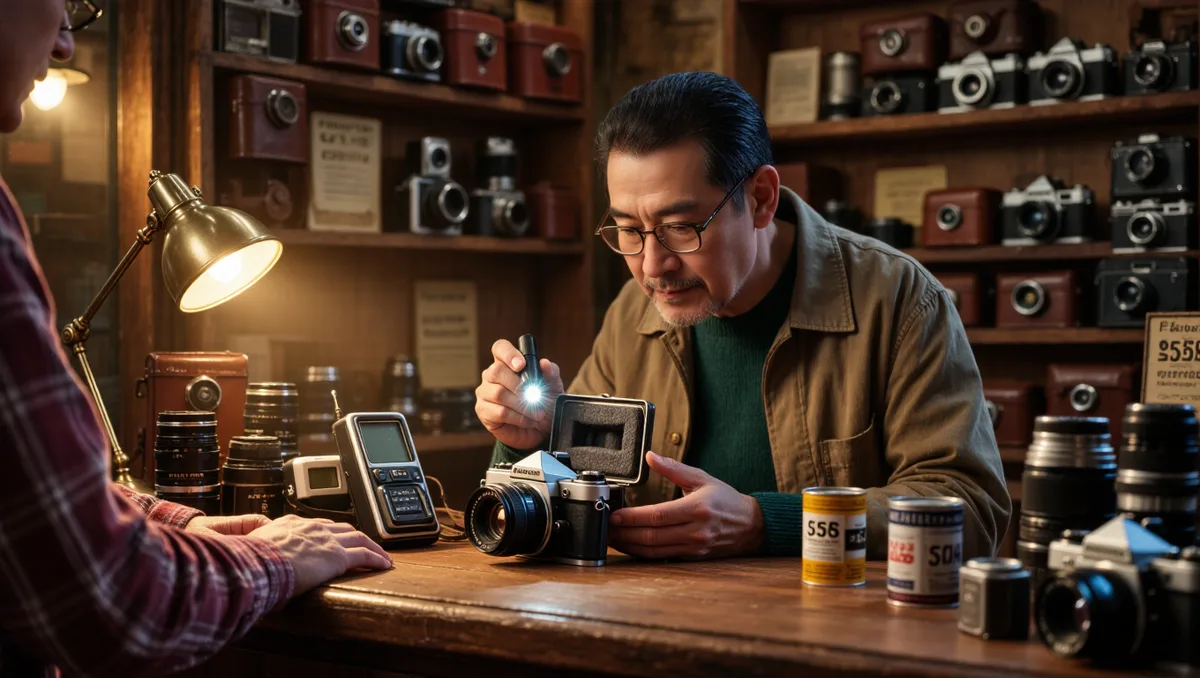
A patient inspection checklist for light seals, shutters, meters, and price — so the bargain stays a bargain.
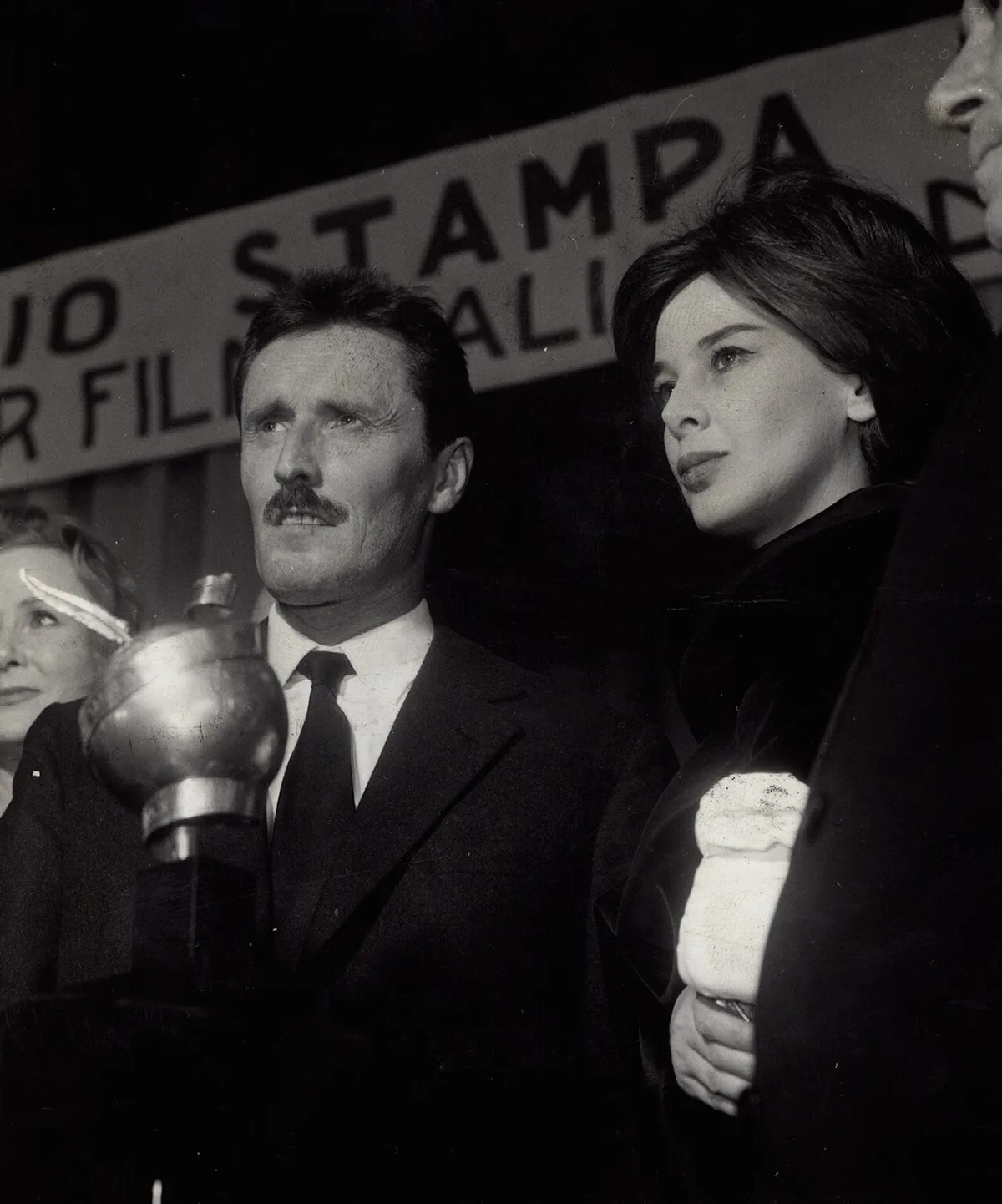
Portraits sort into three documented stocks: Kodak Portra 400 for color work it was built for in 1998, Kodak Tri-X at ISO 400 for grain with a temper, and Ilford HP5 Plus on a line dating to 1931.
A trustworthy local film lab runs real chemistry on site, C-41 color in as little as 20 minutes, careful hand-processed black and white, and clean scans of every frame.