Art News
Who Profits From the Film Revival
Thin manufacturing margins, healthier retail and lab service economics, and a secondhand market that bypasses makers entirely — where the film revival's money actually lands.
Business coverage of the analog trade: manufacturing capacity, chemistry supply chains, lab pricing, secondhand camera valuations and the margins in selling film. Explains why a roll costs what it costs. Written for lab owners, dealers and shooters budgeting a year of photography honestly.
Business coverage of the analog trade: manufacturing capacity, chemistry supply chains, lab pricing, secondhand camera valuations and the margins in selling film. Explains why a roll costs what it costs. Written for lab owners, dealers and shooters budgeting a year of photography honestly.
Thin manufacturing margins, healthier retail and lab service economics, and a secondhand market that bypasses makers entirely — where the film revival's money actually lands.
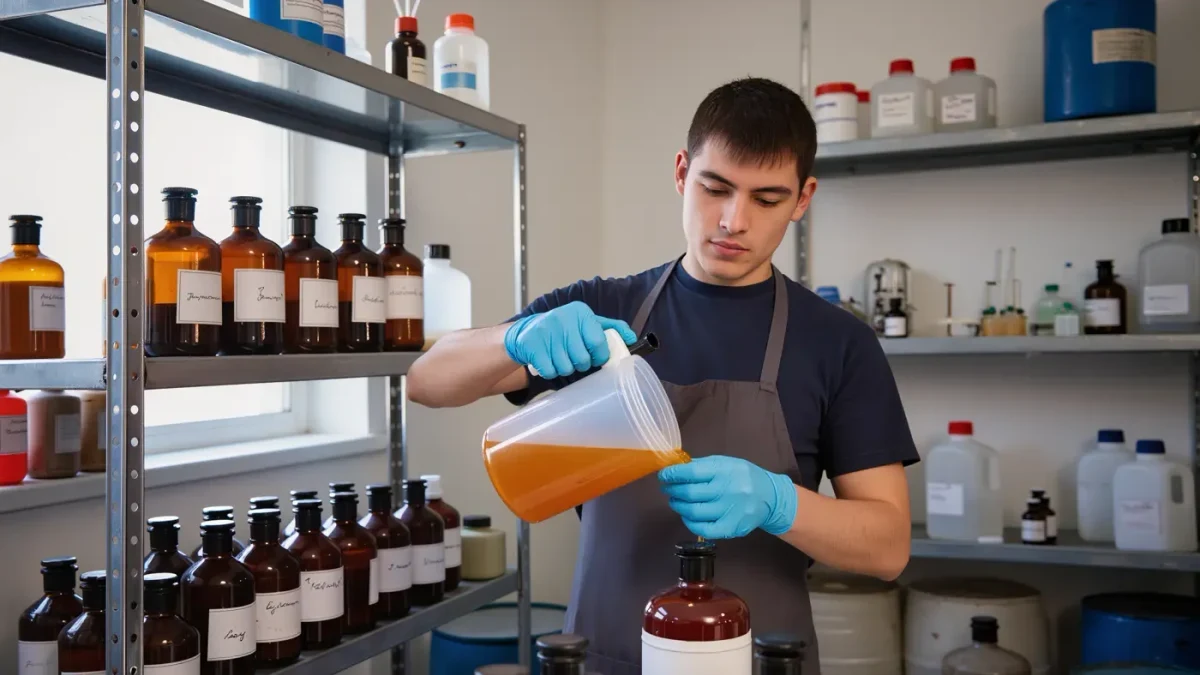
Photo chemistry is a rounding error in the global chemical industry, which is exactly why developer and fixer keep vanishing from shelves.
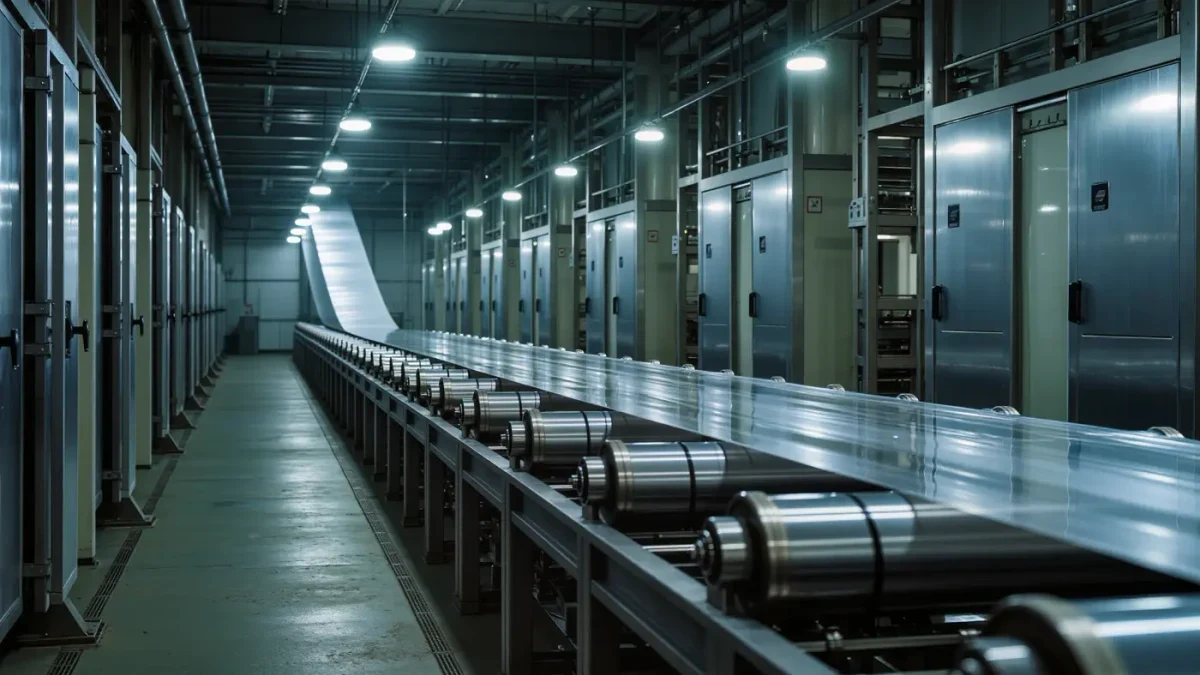
Roughly six sites worldwide still coat photographic film, and their run calendars — not demand — decide what reaches shelves.
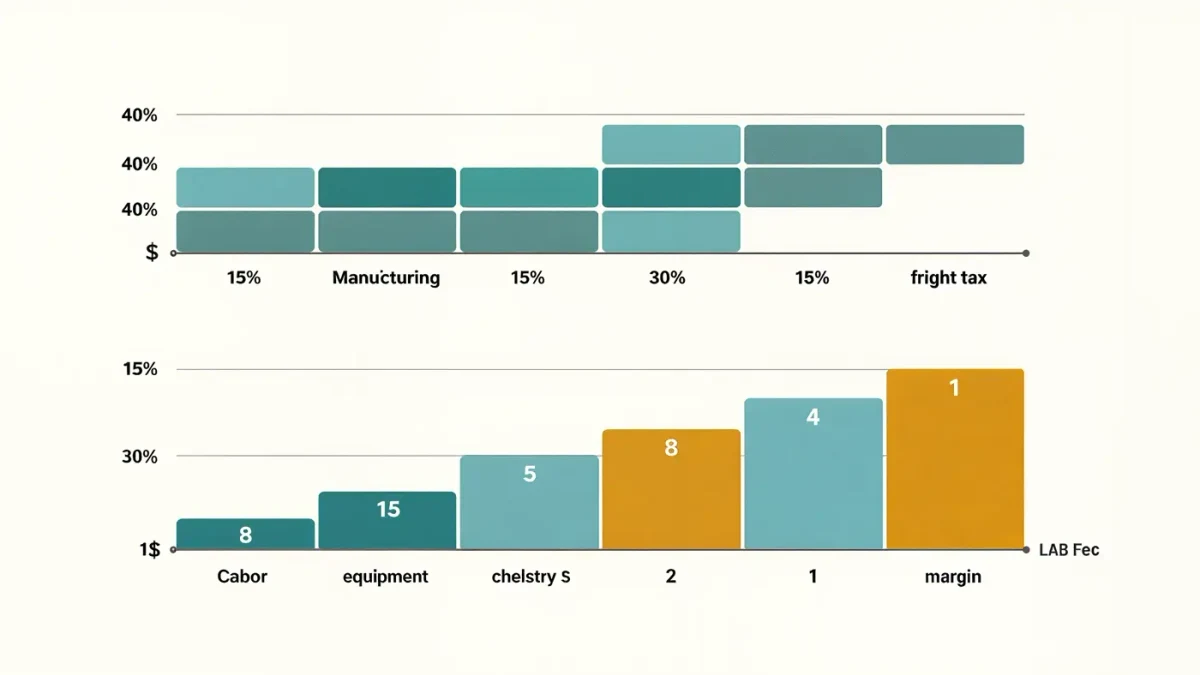
Chemistry is one to three dollars of a fifteen-dollar develop-and-scan; machines, labor and shipping decide whether a lab survives — the unit economics of the film revival, as of 2025.
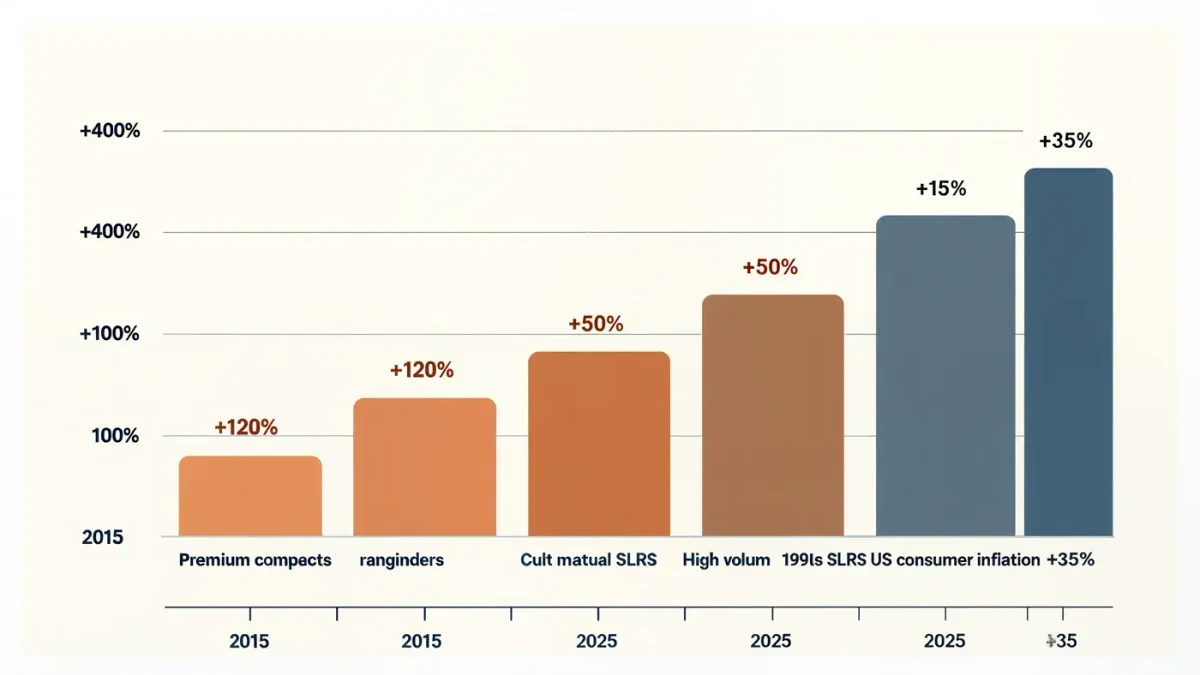
Premium compacts roughly quadrupled, Leica crept up and volume SLRs barely moved: a category-by-category account of the used film camera market's climb, as of 2025.
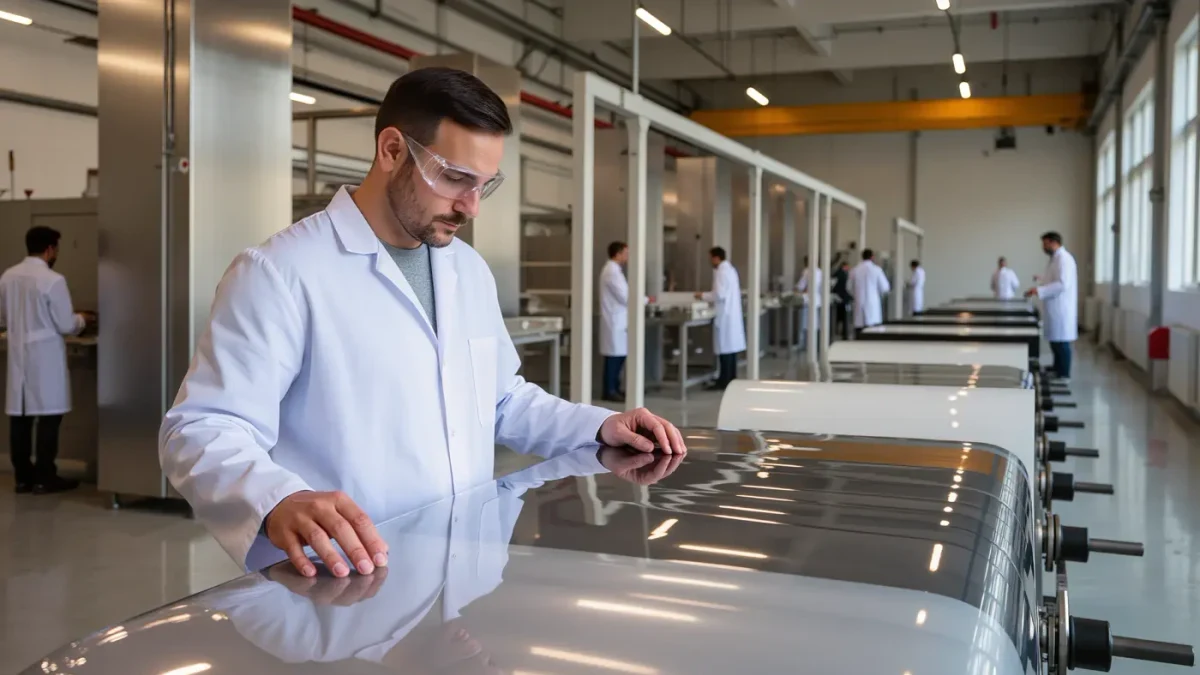
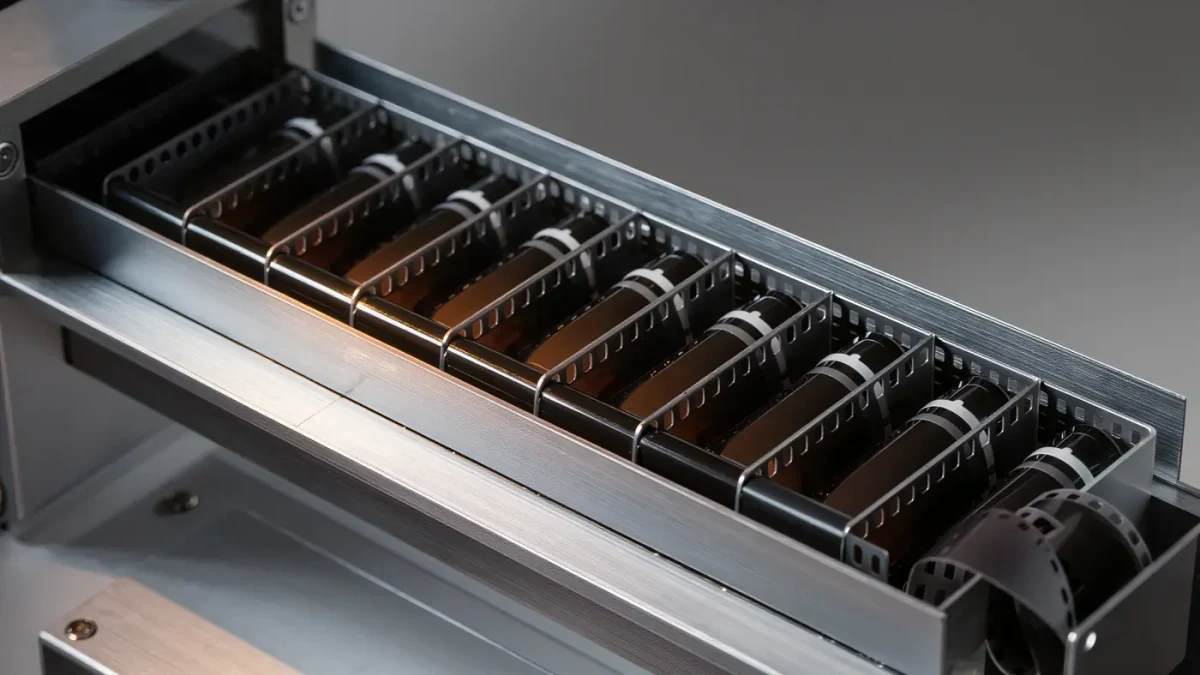
Silver, gelatin, acetate base and a coating line's fixed toll stack into the true manufacturing price of a roll — an anatomy of what film factories actually pay.